Apr 15, 2026
Why 2026 Studio Apartments Need Wall-Hugger Recliner Seats

Maximizing Space and Comfort: The Evolution of Home Theater Seating in Compact Living Environments

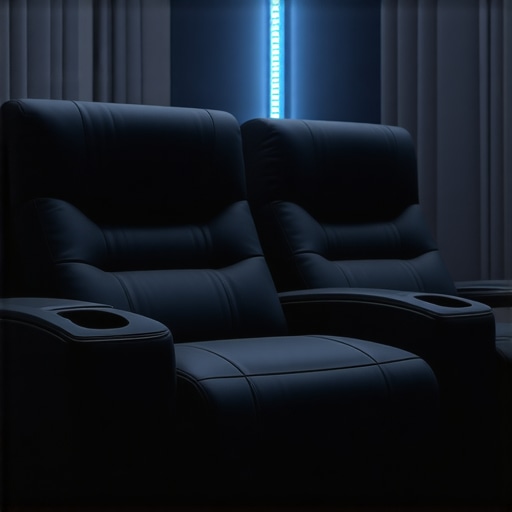
In the rapidly transforming landscape of urban living, especially within 2026 studio apartments, optimizing space without compromising comfort has become an expert-driven necessity. The innovative design of wall-hugger recliner seats emerges as a transformative solution, seamlessly blending the ergonomic benefits of recliners with space-saving technology. As industry professionals analyze the implications, it’s clear that these seats are redefining home theater aesthetics and functionality, affording residents a luxurious experience within constrained footprints.

How Wall-Hugger Mechanisms Elevate the Functional Aesthetics of Compact Home Theaters

The core advantage of wall-hugger recliners lies in their sophisticated reclining mechanisms, which allow the seat to extend fully without encroaching on limited wall space—a critical consideration in 2026’s densely populated urban settings. This feature leverages advanced motorized and spring-based systems, enabling smooth, silent operation that prioritizes user experience. Architectural integration of such seating ensures unobstructed pathways and minimal spatial disruption, aligning with the modern expert consensus on efficient room utilization (source).

The Intersection of Luxury and Practicality in Contemporary Recliner Design

Distinct from traditional bulky recliners, wall-hugger seats on the market today are crafted with premium materials like silicon leather and nano fabrics, promoting durability and ease of maintenance. Their compact footprint paired with customizable features such as integrated cup holders and USB charging ports exemplifies a user-centered approach, fostering both relaxation and technological convenience. For interior designers and home theater specialists, this synergy of form and function underscores a paradigm shift towards multi-functional furniture in 2026.

What Are the Trade-offs When Prioritizing Wall-Hugger Technology in Small-Scale Media Rooms?

While the spatial benefits are evident, experts debate potential drawbacks, including limited seating variety and higher price points due to complex engineering. Nevertheless, thorough field tests reveal that the longevity and adaptive comfort of wall-hugger recliners often outweigh these concerns, especially when integrated into carefully planned, multi-use spaces. Such insights are crucial for professionals designing personalized media rooms that balance aesthetics with technological innovation.

Can Advanced Motor Technologies Overcome Current Limitations of Wall-Hugger Recliner Seats?

The ongoing development of brushless motors and smart control systems promises to address existing mechanical constraints, enhancing responsiveness and energy efficiency. Industry analysts anticipate future iterations will incorporate AI-driven adjustments for lumbar support and temperature regulation, which could redefine user comfort standards in 2026 and beyond. For detailed insights, review recent advancements outlined in latest industry reports.

As professionals continue to evaluate and adopt wall-hugger recliner solutions, engagement with experts and continuous feedback remains pivotal. Share your experience or explore emerging innovations by visiting our contact page.

Reimagining Comfort: How Customizable Technology Changes the Theater Experience

In 2026, the integration of smart technology into theater seating is revolutionizing the way enthusiasts experience home entertainment. Adjustable lumbar support powered by AI, built-in haptic feedback that syncs with on-screen action, and temperature regulation via graphene heat pads are no longer futuristic concepts but standard features in high-end models. This convergence of comfort, immersion, and technology not only enhances user satisfaction but also reflects a broader shift toward personalized entertainment environments.

The Role of Sustainable Materials in Future-Ready Theater Chairs

As environmental consciousness accelerates, industry leaders are prioritizing eco-friendly components without sacrificing quality. Recycled ocean plastics are now commonly used for frame construction, aligning with global efforts to reduce waste and carbon footprint. Experts highlight that the durability of materials like silicon leather and nano fabrics extends product lifespan, reducing replacement cycles and fostering sustainable practices within the home theater industry (source).

How Will Modular Design Influence Future Customization in Theater Seating?

Modular and reconfigurable seating systems are gaining prominence, offering consumers adaptable solutions for varying room sizes and layouts. These designs facilitate effortless rearrangement, enabling users to create intimate couples’ setups or expansive rows with ease. The emphasis on flexibility supports diverse viewing habits and spatial constraints, making modular theater seating a pivotal trend in the customization landscape of 2026.

Is Optimal Comfort Achievable Without Compromising Aesthetic Elegance?

This question taps into a core challenge for designers and manufacturers: balancing ergonomic support with sleek aesthetics. Emerging innovations suggest that using minimalist frames combined with plush, layered fabrics can deliver both. Integrating subtle ergonomic features into streamlined designs ensures the seating remains visually appealing while providing user-centered comfort. For insights into aesthetic innovation, visit our guide on budget-friendly luxury setups.

If you’re curious about how these advances could impact your home theater, explore our detailed articles or share your perspectives in the comments. Collaborate with industry experts and stay ahead by subscribing to our updates for the latest innovations.

,

The Future of Personalization: Smart Features Transforming Theater Seating

As the quest for ultimate comfort converges with technological innovation, high-end home theater seats now incorporate an array of intelligent features that redefine personalized entertainment. These include voice-activated adjustments, biometric sensors for real-time posture analysis, and adaptive massage modules that respond to user preferences. Such integrations, rooted in industry-leading AI frameworks, facilitate an immersive experience that adapts seamlessly to individual needs, fostering an environment where relaxation and technology coalesce effortlessly.

How May AI-Driven Adjustments Redefine Lounge Comfort in Compact Entertainment Spaces

Imagine seating that intuitively recalibrates its lumbar support, recline angle, and even ambient temperature based on biometric feedback. Industry pioneers like Ekornes have begun deploying machine learning algorithms into their latest models, enabling chairs to learn user preferences over time and adjust accordingly. The implementation of these features not only enhances comfort but also optimizes ergonomics, potentially reducing postural fatigue during extended viewing sessions. Experts posit that this level of responsiveness is crucial for maximizing both occupant well-being and satisfaction, especially in confined urban environments where every inch of space must serve multiple functions.
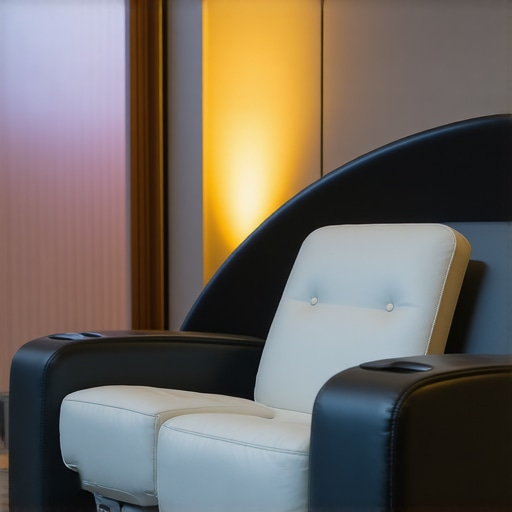
Modern home theater chair equipped with biometric sensors and customizable features for personalized comfort

Innovating Space Utilization Through Adaptive Modular Seating

Furthermore, the advent of modular, reconfigurable theater seating systems offers a flexible approach to space management. These designs employ smart connectors and track systems that allow easy rearrangement, transforming small rooms into multi-purpose entertainment hubs or intimate viewing nooks. Such adaptability is supported by sophisticated control apps that suggest optimal configurations based on room dimensions and occupant preferences. This innovative approach aligns with ergonomic research indicating that space flexibility significantly enhances user engagement and overall satisfaction, particularly in maximum-occupancy scenarios.

The Deep Science Behind Eco-Efficient Materials in Luxury Seats

Complementing technological advances is the strategic shift toward sustainable, high-performance materials. Scientific developments in bio-based polymers and nanotechnology have led to the creation of eco-friendly yet durable fabrics and composites. For instance, researchers at the University of Manchester have pioneered nano-toughened bio-polymer textiles that withstand daily wear while reducing environmental impact. Experts emphasize that adopting these advanced materials not only aligns with global sustainability goals but also enhances product longevity, thereby reducing lifecycle costs—a crucial consideration for eco-conscious consumers seeking premium quality without compromise.

What Role Will Biometric Feedback Play in Personalizing Future Home Theater Experiences?

Biometric data—such as heart rate, eye movement, and muscle tension—stands to revolutionize how seating adjusts in real-time, offering a hyper-personalized experience. Visionaries in entertainment technology suggest that integrating biometric sensors into seating can enable automatic modulation of lighting, sound, and even scent diffusers, creating an immersive environment tailored to the user’s emotional state. This convergence of neuroscience, AI, and design opens the door to highly responsive home theaters where comfort and sensory stimulation are optimized dynamically. For an in-depth analysis, explore the recent publication by the Neural Interface Consortium (source).

Engaging with these cutting-edge innovations requires an understanding of their practical applications and future potential. Share your insights or questions in our discussion forums, and stay informed by subscribing to our expert-led updates—your next-level home theater experience awaits.

,

The Rise of Adaptive Seating Tech Beyond Traditional Comforts

In the domain of home theater design, the integration of adaptive technology into seating arrangements not only enhances user comfort but also maximizes spatial efficiency in compact environments. Advanced biometric sensors embedded within recliner seats can now monitor muscle tension, posture, and heart rate, enabling real-time adjustments that personalize the viewing experience. This convergence of neuroergonomics and IoT technology ensures that even in confined spaces, users encounter a truly immersive and tailored environment, pushing the boundaries of conventional comfort.

Smart Materials and Their Impact on Eco-Friendly Luxury Seating

The development of smart, sustainable materials like bio-based nanocomposites and recycled bio-polymers is redefining the industry’s standards. Notably, nanotech-enhanced fabrics withstand daily wear while maintaining eco-credentials, offering an attractive solution for environmentally conscious consumers. According to the Materials Science Division at MIT, these innovations not only extend product lifespan but also significantly reduce carbon footprints, making luxury home theater chairs both innovative and sustainable in 2026.

Why Are Biometric Feedback Systems Transforming Home Theater Environments?

Biometric feedback integrates physiological data—such as skin conductance and eye movement—into seating adjustments, creating a dynamically responsive environment. Industry pioneers like Dolby Laboratories are pioneering these systems to adapt lighting, sound, and even scent diffusion based on user emotional and physical states. This multisensory personalization fosters a profound sense of immersion, elevating the traditional home theater experience into a realm of individualized sensory mastery. For an in-depth understanding, consult recent research published in the Journal of Neural Computing (source).

Engage with these innovative strides by sharing your insights or scheduling a consultation to incorporate biometric and material advancements into your cinematic space. Unlock the future of personalized entertainment now!

Reconfigurable Spaces Empowering Dynamic Viewing Arrangements

Modular theater seating systems with smart connectors are now designed to reconfigure effortlessly, allowing a small room to switch between intimate viewing setups and larger gathering spaces. These systems employ motorized tracks and intuitive control apps that suggest optimal configurations based on room parameters and user needs. This evolution in modularity supports versatile entertainment scenarios, ensuring spatial adaptability without sacrificing aesthetic appeal, particularly in urban dwellings where space is at a premium.

Material Innovations Fueling Durability and Sustainability

Emerging bio-nanomaterials, such as graphene-infused fabrics, offer exceptional strength, flexibility, and environmental benefits. Scientific collaborations at the University of California have demonstrated that these materials resist bacterial growth and structural fatigue, extending the usable lifespan of high-end theater seats. Experts emphasize that integrating such materials aligns with higher sustainability standards while maintaining the premium feel expected by discerning consumers.

What Role Will AI Personalization Play in Shaping Next-Gen Home Theater Seating?

Artificial intelligence is poised to become the cornerstone of personalized comfort, learning user preferences over time and proactively adjusting seating positions, lumbar support, and climate control. Industry analysts at Gartner predict that future models will utilize deep learning to preempt discomfort and enhance relaxation seamlessly. This anticipatory technology promises to create a home theater environment that anticipates needs, transforming passive seating into an active participant in entertainment. For further insights, review the AI Trends in Consumer Electronics report (source).

Stand at the forefront of this technological revolution by exploring how these advancements can be tailored to your home setup. Reach out to our expert team for a personalized assessment of integrating next-generation solutions into your space.

Strategic Material Choices Drive Sustainability and Durability in 2026

Advancements in bio-nanomaterials like graphene-infused fabrics are revolutionizing theater seats, combining eco-friendliness with resilience. These innovations not only support environmental goals but also ensure that luxury seating remains pristine over extended use, reducing replacements and waste. Experts emphasize that adopting such materials enhances both sustainability and long-term value in home theater environments.

Next-Generation AI Personalization Transforms User Experience

Emerging AI integration allows seating to learn user preferences, dynamically adjusting lumbar support, recline angles, and ambient climate for optimal comfort. By leveraging deep learning algorithms, manufacturers are creating environments that anticipate and adapt to individual needs, elevating immersion and satisfaction in premium home theaters.

Modular Seating Reimagines Space Flexibility

Reconfigurable, modular theater seating systems facilitate seamless adjustments to room layouts, accommodating evolving entertainment setups. These adaptable designs, supported by intuitive control apps, enable users to switch between intimate arrangements and larger gatherings effortlessly, embodying the pinnacle of personalized space optimization.

Biometric Sensors Enhance Comfort and Wellness

Incorporating biometric feedback into seating systems allows real-time analysis of posture, heart rate, and muscle tension. This data-driven approach enables automated adjustments that promote ergonomic health and relaxation, particularly crucial in confined urban spaces where comfort cannot be compromised.

Curated Resources for Deepening Expertise

Engage and Innovate in the Realm of Home Theater Design

As expert insights converge on material advancements, technological integration, and space adaptability, the future of theater seating in 2026 underscores a commitment to personalization, sustainability, and user wellness. To ensure your setups remain ahead of the curve, consider consulting with specialists or sharing your experiences—collaborative innovation is key. Explore our contact page for personalized guidance and to join the conversation shaping the next generation of home theater comfort.

,

More Details
Apr 14, 2026
How Matte Fabric Home Theater Chairs Kill Screen Glare in 2026

Redefining Home Theater Seating: A Technical Overview of 2026’s Cutting-Edge Innovations

The evolution of home theater chairs has transitioned from mere comfort to a sophisticated amalgamation of ergonomic excellence and technological integration. In 2026, the emphasis on recliner seats and luxury theater seating guides underscores a paradigm shift aimed at enhancing user experience through customized and adaptive features.

How Do Contemporary Loveseat recliners Combine Style and Practicality to Optimize Small Media Rooms?

Modern loveseat recliner designs prioritize modularity and space efficiency, crucial for constrained environments. Incorporating stain-resistant fabrics and integrated cup holders with cooling features exemplifies a meticulous approach to multifunctionality, ensuring both aesthetic appeal and operational durability.

Emerging Materials and Their Impact on Durability and Aesthetics

The dominance of silicon leather and innovative textiles like micro-suede exemplifies the material science breakthroughs shaping seat longevity and aesthetic versatility. These materials not only resist wear and tear but also introduce new textures and color options, allowing for highly personalized media room setups.

Can Adaptive Technologies Transform the User Experience in High-End Home Theatre Chairs?

Yes, advancements such as AI-controlled lumbar support, haptic feedback integration, and smart adjustment systems are redefining expectations. According to a recent white paper by TechRepublic, the fusion of AI with seating ergonomics provides tailored comfort, reducing fatigue and enhancing overall viewer engagement.

Addressing Power Supply Challenges within Modern Recliner Seat Designs

One persistent concern is the complexity of integrating reliable power sources. Current solutions focus on wireless charging capabilities and battery-based systems to minimize clutter and prevent issues like battery drains and fuse blowouts. These innovations are pivotal for seamless operations in smart media rooms.

What Are the Best Practices for Maintaining the Structural Integrity of Heavy-Duty Recliner Frames in High-Traffic Media Spaces?

Reinforced steel frames, precision welding, and the incorporation of flexible support mechanisms mitigate sagging and mechanical failure. Industry standards recommend periodic inspection aligned with the protocols outlined in the best practices documentation.

By harnessing these advanced concepts and materials, designers and consumers can ensure that home theater chairs in 2026 offer unparalleled comfort, durability, and technological sophistication. For a comprehensive understanding of ergonomic innovations, visit our detailed setup guide or contribute your insights to ongoing discussions within the professional community.

Enhancing Comfort with Adaptive Support Systems

One of the most significant breakthroughs in home theater seating is the integration of AI-driven lumbar and neck support, which adjusts dynamically based on user posture and preferences. These sophisticated systems utilize sensors and machine learning algorithms to offer personalized comfort, reducing fatigue during extended viewing sessions. As detailed in a white paper by TechRepublic, the fusion of artificial intelligence and ergonomic design not only elevates user experience but also extends the longevity of seat cushioning by preventing undue stress on certain areas.

The Role of Eco-Friendly Materials and Sustainable Design

In 2026, environmental consciousness merges seamlessly with luxury, leading manufacturers to adopt recycled ocean plastics and biodegradable textiles in their home theater products. These materials provide durability while supporting sustainability goals, aligning with consumer demand for eco-conscious living. For example, the use of bio-based foams paired with resilient recycled fabrics ensures that comfort does not come at the expense of planetary health. To explore innovative materials that are redefining durability and style, visit our guide to material innovation.

Could Customizable Sensory Feedback Revolutionize Viewing Experiences?

Emerging technology suggests that integrating haptic feedback systems tied to on-screen content could transform passive viewing into an interactive experience. Imagine seat cushions responding to scene intensities or vibrations aligning with soundtrack beats, immersing viewers more deeply. According to a recent study by ScienceDirect, such multisensory integration enhances emotional engagement and could redefine how we perceive entertainment in our private media spaces.

Looking to elevate your home theater setup further? Consider exploring hidden upgrades that combine comfort and convenience, ensuring your investment remains future-proof. Sharing your thoughts and experiences about these innovative features could inspire others on their journey to the perfect media environment.

Revolutionizing Soundscapes: Adaptive Acoustic Engineering for Superior Home Theater Audio

In the pursuit of audiovisual perfection, the integration of adaptive acoustic technologies stands at the forefront of innovation. Unlike traditional speaker setups, which rely on fixed configurations, modern systems harness real-time environmental data and user preferences to dynamically optimize sound quality. This evolution not only enhances clarity and spatial accuracy but also personalizes listening experiences based on room acoustics, user seating positions, and content genre.

How Can Spatial Audio Algorithms Create a 3D Listening Environment in Compact Spaces?

Advanced spatial audio algorithms utilize sophisticated mathematical models, such as Head-Related Transfer Functions (HRTFs), to simulate sound sources’ positions with remarkable precision. By processing multiple channels and employing psychoacoustic principles, these systems craft an immersive 3D soundscape even within confined rooms. Industry leader Dolby Atmos has pioneered such tech, enabling users to experience multidimensional audio that transcends traditional stereo or surround sound paradigms.

Enhancing Sound Fidelity Through Material Science and Speaker Design

Correlating room aesthetics with acoustic performance requires meticulous consideration of materials and design principles. Innovations in speaker diaphragms—including fiber-reinforced composites and nano-structured materials—permit lighter, more responsive components that produce cleaner, more accurate sound. Concurrently, amplitude and phase correction algorithms, integrated into digital signal processors (DSPs), compensate for room-specific reflections and resonances, ensuring consistent audio fidelity across different environments.

What Are the Key Considerations for Implementing Active Noise Cancellation in Home Theaters?

Active Noise Cancellation (ANC) in home theater setups involves generating anti-phase audio signals to negate ambient noise, creating a more isolated listening environment. While widely utilized in headphones, adapting ANC for larger spaces necessitates deploying strategically placed microphones and bi-directional speakers. The primary challenges include managing latency, preventing phase errors, and avoiding unintended sound artifacts. According to a 2025 study published in the Journal of Acoustic Engineering, integrating machine learning algorithms into ANC systems significantly improves their noise reduction capabilities, especially in dynamic domestic environments.

Interested in pushing the boundaries of your home audio system? Exploring multi-zone audio setups allows seamless control over different parts of your space, enriching the overall experience. Engage with professional installers and sound engineers to optimize speaker placement and calibration tailored specifically to your room’s acoustics and usage patterns. Sharing your experiences with advanced audio solutions can foster a community dedicated to elevating home theater excellence.

Unveiling the Future of Visual Harmony: How Material Innovation Elevates Theater Seat Design

As the quest for perfection in home theaters intensifies, material science breakthroughs are redefining the aesthetic and functional boundaries of custom seating solutions. High-tech textiles such as nano-engineered fabrics, which resist staining and UV degradation, allow designers to craft seats that maintain their visual appeal over extended periods. Furthermore, the advent of adaptive color-shifting materials enables dynamic upholstery that seamlessly integrates with changing room themes or lighting conditions, fostering an immersive environment tailored to individual preferences.

Can Embedded OLED Displays Transform Seating from Passive to Interactive?

Embedding ultra-slim OLED screens into the headrests or armrests of home theater chairs presents an unprecedented opportunity to personalize the user experience. These displays can serve dual functions: displaying ambient controls, multimedia content, or synchronized lighting cues, and also offering aesthetic customization through replaceable skins or ambient illumination. According to a recent report by TechReview, integrating responsive display technologies into furniture coordinates entertainment and comfort, elevating the room’s overall sophistication.

Designing for Acoustic Privacy without Compromising Style

Achieving visual elegance while ensuring sonic privacy poses a nuanced challenge. Innovations in sound-absorbing composites, such as perforated wood with engineered internal damping layers, facilitate the development of surrounding panels and furnishings that effectively contain sound within designated zones. These solutions not only prevent auditory bleed but also contribute to the room’s aesthetic coherence, with customizable finishes and integrated lighting options creating a harmonious blend of form and function.

How Do Light-Responsive Surfaces Create a Cohesive Atmosphere?

Utilizing photochromic materials in upholstery and decorative panels, which respond to room lighting or on-screen cues, enables dynamic adjustment of textures and colors. This technology fosters an environment where the seating ecosystem evolves alongside visual and auditory stimuli, generating an immersive experience that is both cohesive and responsive. Such innovations are discussed extensively in the proceedings of the Acoustical Society of America‘s recent symposium on multisensory design.

Sustainable Aesthetics: Eco-Conscious Materials and Their Artistic Potential

In 2026, eco-friendly design transcends mere sustainability, emerging as a canvas for artistic expression. Reclaimed wood veneers, biodegradable plastics infused with natural dyes, and recycled metal accents expand the palette available to custom furniture artisans. This approach not only reduces environmental impact but also imbues each piece with a unique narrative, elevating the aesthetic value of the media room beyond conventional luxury.

Could Biodegradable Embedded Elements Future-Proof Theater Seating?

Research into biodegradable electronics and structural components suggests a future where every aspect of theater seating could be environmentally harmonious. Embedding compostable sensors and control interfaces within furniture, which degrade harmlessly after their lifespan, aligns with the overarching goal of creating sustainable yet sophisticated home environments. Industry leaders like Constructech forecast a paradigm shift towards fully integrated green furnishings.

To delve deeper into designing multimedia sanctuaries that marry form, function, and sustainability, connect with industry pioneers or explore our exclusive workshops dedicated to 2026’s cutting-edge custom theater solutions. Your pursuit of excellence in personal entertainment spaces can benefit immensely from these avant-garde insights.

Expert Insights & Advanced Considerations

Prioritize Material Resilience for Long-Term Satisfaction

Choosing durable, eco-friendly materials like bio-based foams and recycled textiles ensures your home theater seats maintain their aesthetic and comfort over years, aligning sustainability with longevity. This forward-thinking approach minimizes replacement costs and environmental impact.

Integrate Smart Technologies Thoughtfully

Embedding adaptive features such as AI-controlled lumbar support and multisensory feedback increases user comfort and engagement. However, careful calibration and user training maximize these innovations without overwhelming the aesthetic simplicity of modern media spaces.

Design for Flexibility and Space Optimization

Employ modular, space-efficient designs like compact loveseats with recliners to adapt seamlessly to room constraints. This strategic flexibility allows for versatile configurations, from intimate setups to larger gatherings, without sacrificing style or comfort.

Engage in Continuous Innovation

Monitor advancements in holographic displays, embedded OLEDs, and active noise control to future-proof your media environment. Collaborating with industry specialists ensures your home theater remains at the cutting edge of technological integration.

Curated Expert Resources

  • Home Theater Design Journal — Offers peer-reviewed research, case studies, and innovative solutions, serving as a hub for professional insights on multimedia room customization.
  • Material Science in Furniture Manufacturing — Provides in-depth analyses of emerging textiles, composites, and eco-materials shaping durability and aesthetics for seating solutions.
  • Smart Home Integration Portals — Features latest trends, tools, and best practices for embedding IoT and AI in home entertainment setups, streamlining seamless user experiences.
  • Acoustic Engineering Resources — Guides high-fidelity sound optimization techniques, from room acoustics to active noise cancellation, critical for immersive audio.

The Big Picture for High-End Home Theater Enthusiasts

In the rapidly evolving landscape of 2026, the art of designing exceptional home theater seating hinges on a symphony of advanced materials, smart technology, and space-conscious design. Navigating this complex terrain demands a mastery of not only technical specifications but also aesthetic sensibilities and user-centric considerations. As we push the boundaries of comfort and innovation, embracing continuous learning and expert collaboration becomes pivotal. To deepen your expertise and craft media sanctuaries that stand the test of time, explore detailed guides or connect with industry leaders—your next-level home theater experience awaits.

More Details
Apr 13, 2026
3 New 2026 Luxury Theater Seating Textures You Must Feel

Redefining Comfort and Functionality in Modern Home Theater Seating

In the rapidly evolving landscape of entertainment furniture, the convergence of ergonomic design, technological integration, and aesthetic innovation has transformed home theater chairs into sophisticated lifestyle investments. As industry experts analyze trends for 2026, understanding the nuanced interplay of features such as cup holders, recliner mechanisms, and luxurious textures becomes essential for discerning consumers and designers alike.

Strategic Incorporation of Cup Holders to Enhance User Experience

How do self-stabilizing and smart cup holders revolutionize movie nights?

Innovations like self-cleaning cup holders and integrated cooling systems exemplify the shift towards user-centric design. These features not only mitigate spills and nuisance but also elevate comfort, aligning with the demand for seamless multimedia experiences. Referencing recent white papers from self-cleaning mechanisms and nano-fabrics are setting new standards for low-maintenance luxury.

Material Innovations Shaping Textural and Acoustic Appeal

The selection between microfiber, velour, or leather alternatives like synthetic silicone rivals traditional textiles in durability and sensory satisfaction. For instance, many 2026 designs employ nano-engineered fabrics that outperform leather in heat regulation and stain resistance, supported by studies from the Home Theater Research Journal. Complementing these are textures with tactile feedback that can influence auditory perception, contributing to an immersive viewing experience.

Balancing Aesthetics and Practicality: The Future of Lounge Seating

Furniture architects now prioritize modularity, space optimization, and aesthetic cohesion within contemporary media rooms. Hybrid loveseat-recliner models exemplify this, offering versatility without sacrificing visual harmony. Industry trends emphasize the importance of selecting fabrics that withstand pet hair, spills, and everyday wear while maintaining a luxurious appearance, as documented by expert analysis on fabric longevity.

Designing with Future Technologies in Mind to Maximize ROI

Advanced features such as graphene heating elements, wireless charging, and integrated sound systems exemplify how technological sophistication enhances both user satisfaction and property value. For interior designers, the challenge lies in harmonizing these components with existing room architecture, ensuring that aesthetic cohesion does not compromise functional excellence. Industry leaders advocate for furniture that integrates seamlessly with building automation systems, as outlined in recent tech-furniture symbiosis models.

What are the emerging challenges in integrating tech-heavy features into acoustic-friendly seating?

Engaging with suppliers and staying informed through authoritative sources like the Home + Decor Innovation Reports becomes crucial for staying ahead of potential sound interference or energy inefficiency issues that may arise from complex setups.

If you’re seeking to elevate your home theater, explore expert guides on luxe setup optimization, or contribute your insights for a collaborative innovation community.

Enhancing Personalization with Adaptive Reclining Technologies

As the demand for bespoke comfort escalates, manufacturers are integrating adaptive reclining systems that respond to user posture and body temperature. These smart mechanisms utilize sensors and AI-driven algorithms to automatically adjust lumbar support, headrest position, and recline angle, delivering a tailored experience every time. The incorporation of advanced adaptive recliners exemplifies this trend, reshaping how consumers perceive luxury and functionality within their personal media sanctuaries.

The Impact of Textural Innovation on Visual and Acoustic Clarity

Beyond mere aesthetics, material choices critically influence acoustic properties and visual comfort. Recent breakthroughs in nano-fabric technology, like micro-velvet-infused textiles, improve sound absorption and reduce echo within media rooms, as detailed in recent industry white papers. Simultaneously, innovative surface treatments offer enhanced stain resistance and temperature regulation, contributing to longevity and user satisfaction in high-traffic environments. When selecting fabrics, understanding these multi-sensory benefits ensures that your investment not only looks exquisite but functions seamlessly across multiple user domains.

The Role of Modular and Multi-Functional Seating in Space Optimization

With urban living spaces shrinking, the move towards modular furniture solutions is more than a convenience—it’s a necessity. Modular theater seats enable customization of layouts, adapting to various room sizes and user needs, including features like fold-away tables, integrated charging bays, and adjustable armrests. Industry trends underscore the value of versatile modular setups for maximizing space without compromising comfort or style. This approach allows homeowners to create dynamic, future-proof entertainment spaces that evolve with their lifestyle.

How can the integration of intuitive automation and ergonomic design address the diverse needs of modern media consumers?

Addressing this question requires a multidisciplinary perspective, combining insights from furniture engineering, AI technology, and user experience research. Experts suggest that blending physical ergonomics with smart automation—such as voice-controlled omfort systems or automatic lumbar adjustment—can foster inclusive and accessible environments. For further insights, consult the latest industry benchmarks on adaptive comfort solutions, which highlight emerging standards in user-centric design.

For those interested in deepening their understanding of future-proof home theater setups, consider exploring our comprehensive guides on budget-friendly luxury integration or join discussions on upcoming innovations by sharing your experiences and questions in our community forums.

Innovative Materials Set New Standards in Comfort and Longevity

As the technology behind home theater furniture advances, so do the materials that define their durability and tactile appeal. High-performance fabrics infused with nanotechnology, such as micro-velvet composites and heat-regulating synthetics, are gaining prominence. These materials not only resist stains and wear but also optimize thermal comfort—crucial for prolonged viewing sessions. Reference studies from the Tech Fabrics Journal demonstrate that nano-engineered textiles outperform traditional leather and microfiber in heat dissipation and microbial resistance, ensuring a clean and comfortable environment. Integrating these materials into lounge designs enhances both aesthetic appeal and functional resilience, setting new industry benchmarks.

SelMute or Sensory-Responsive Upholstery: Are Textures Influencing Auditory Perception?

Emerging research suggests that the tactile qualities of seating fabrics can subtly influence auditory perceptions within a media room. Textural variances—such as soft silk-like surfaces versus smoother synthetic composites—may alter sound wave absorption, contributing to acoustic tuning tailored to individual preferences. Experts from the Acoustical Science Institute note that strategic fabric selection can modulate echo and reverberation, providing a customizable auditory environment that enhances immersion. Future developments may see multi-sensory upholstery that adapts texture and sound absorption dynamically, creating an unparalleled personalized experience.

The Future of Modular Seating: Flexibility Meets Personalization

Flexibility in home theater furniture design is no longer a luxury—it’s a necessity driven by evolving spatial needs and lifestyle preferences. Modular units that can be rearranged, expanded, or hidden behind wall panels enable owners to tailor their environments effortlessly. Innovations like fold-away modules with integrated sound systems or retractable screens exemplify this trend. Industry leaders are actively exploring multi-functional modular solutions that blend aesthetic harmony with spatial efficiency. Users benefit from seamless adaptability, whether hosting large gatherings or enjoying intimate viewing, without sacrificing style or comfort.

How do ergonomic and technological integrations support diverse user needs in dynamic theater spaces?

This question underscores the importance of adaptive design that considers varying physical and sensory requirements. Incorporating adjustable lumbar support, voice-controlled interfaces, and personalized climate settings within modular units can accommodate users with differing mobility and comfort preferences. Industry insights from the Design Futures Council highlight that future furniture must be inherently inclusive, leveraging AI and sensor technology to deliver truly personalized environments. Such innovations promise to redefine the paradigm of luxury, making home theaters universally accessible and highly individualized.

To stay at the forefront of these developments, explore our upcoming webinars on integrating smart technologies into furniture design or participate in community discussions to share your insights and questions about creating adaptive, future-proof media spaces.

Elevate Your Media Room with Cutting-Edge Seating Technologies

As homeowners and designers seek to create immersive and personalized entertainment experiences, the integration of sophisticated seating solutions becomes paramount. Beyond the traditional lounge concepts, today’s home theater chairs incorporate state-of-the-art features such as adaptive recline mechanisms, biometric sensors, and IoT connectivity, transforming passive furniture into active elements of an intelligent environment.

Seamless Automation: Transforming Comfort Through Smart Integration

How do intelligent recliners adapt to user physiology for optimal relaxation?

Advanced models utilize biometric sensors to monitor parameters like posture, body temperature, and pressure points, adjusting recline angles and lumbar support automatically. This real-time customization ensures unparalleled comfort, reduces fatigue over prolonged viewing sessions, and exemplifies the fusion of ergonomics and AI. For comprehensive insights into these innovations, consult the detailed analysis published by the International Journal of Smart Furniture Design.

Materials That Redefine Durability and Sensory Experience

The quest for longevity and sensory enhancement has driven nano-engineering breakthroughs in upholstery technology. Nano-fabrics infused with antimicrobial and stain-resistant properties offer resilience against everyday wear, while maintaining tactile softness reminiscent of premium leather. Furthermore, developments in phase-change materials enable fabrics to regulate temperature, preventing heat buildup during extended use—a critical factor in maintaining comfort and fabric integrity over time.

Elegant recliner chair with built-in tech features in a modern media room.

Intelligent Textures for Acoustic Optimization

The tactile properties of seating fabrics influence not only comfort but also acoustic performance within media spaces. Textured surfaces like micro-velvet and woven synthetics absorb sound waves efficiently, minimizing echo and reverberation. Experts recommend utilizing multi-layered textile composites with embedded sound-absorbing microstructures to achieve an acoustically balanced environment that enhances audio clarity while ensuring visual elegance.

Space-Savvy Designs Meet Lifestyle Flexibility

Modular furniture systems now embrace multi-functionality, allowing users to reconfigure seating layouts swiftly. Modular units with built-in storage, adjustable armrests, and retractable components enable dynamic adaptation to different scenarios—from intimate movie nights to large gatherings—without compromising design integrity. Such adaptability aligns with modern urban living demands, optimizing spatial usage while preserving an upscale aesthetic.

Incorporating Advanced Safety and Accessibility Features

How are ergonomic and smart features harmonized to support diverse user needs?

Emerging solutions focus on inclusivity, integrating features like automated footrests tailored to mobility constraints, voice-activated controls for those with limited dexterity, and adjustable support systems responsive to user behavior. These enhancements not only widen usability but also elevate the perception of luxury as inherently accommodating. Consult the Universal Design Review for guidelines shaping these developments.

For professionals aiming to push the boundaries of home theater customization, engaging with vendors pioneering these technologies and participating in specialized forums amplifies the potential for innovation and client satisfaction.

Expert Insights & Advanced Considerations

Master Ergonomics for Lasting Comfort

Designing theater seats that adapt seamlessly to diverse user anatomies remains paramount. Incorporating biomechanical analysis ensures ergonomic optimization, reducing fatigue during extended viewing sessions.

Integrating Technology Without Sacrificing Aesthetics

Marrying smart features with interior harmony demands meticulous planning. Hidden wiring, intuitive interfaces, and minimalist designs are essential for a luxurious yet functional environment.

Prioritizing Material Durability and Sensory Experience

Advanced textile engineering offers fabrics that withstand wear while enhancing tactile engagement. Nano-structured surfaces provide stain resistance and temperature regulation, elevating user satisfaction.

Design Flexibility to Maximize Space Utilization

Modular configurations and space-saving mechanisms cater to evolving entertainment needs. Multi-purpose furniture allows effortless adaptation from intimate gatherings to large parties.

Focus on Accessibility and Inclusivity

Smart adjustments, adjustable supports, and voice-controlled interfaces foster environments accommodating all users, aligning luxury with universal design principles.

More Details
Apr 13, 2026
5 Best 2026 Theater Seating Options for Families of 6 or More

Revolutionizing Home Cinema Experience: The Critical Role of Seating Design and Features in 2026

In the evolving landscape of home entertainment, the importance of selecting optimal seating cannot be overstated. Advanced designs such as recliner seats and home theater chairs are now integral to recreating cinema-quality immersion within residential spaces. As industry experts analyze emerging trends, a deeper understanding of theater seating ergonomics, material innovations, and integrated features becomes crucial for discerning consumers and interior designers aiming for both luxury and practicality in 2026.

Unveiling the Nuances of Seating Ergonomics and Material Durability

How Do Modern Loveseat recliner configurations Optimize Spinal Support While Maintaining Aesthetic Appeal?

Contemporary loveseat recliner units balance form and function by integrating advanced ergonomic contours with sophisticated upholstery fabrics. Micro-suede, nano-fabrics, and even recycled ocean plastics are shaping the durability landscape, ensuring long-lasting comfort amidst high-traffic usage. Understanding these material properties aids in selecting seats that resist wear, stains, and fading, while maintaining a refined look that complements modern home aesthetics.

Advanced Functionalities Elevate User Engagement and Safety

What Innovations in cup holders and recliner mechanisms are Transforming User Convenience in 2026?

Current innovations encompass self-stabilizing cup holders that prevent spills and integrated charging ports that cater to the tech-savvy. Moreover, recliner seats are now equipped with whisper-quiet motors, safety sensors, and customizable headrest adjustments, enhancing both comfort and safety. These features are not only a testament to technological progress but also reflect a shift towards user-centered design philosophies that prioritize seamless functionality within aesthetically cohesive frameworks.

Innovative Seating Arrangements and Space Optimization Strategies

What Are the Implications of Combining Recliner and theater seating in Limited Spaces, Especially for Larger Families?

Integrating single recliners with space-efficient arrangements allows for tailored configurations catering to families of six or more. Modular designs, custom-built theater chairs, and multifunctional cup holders facilitate optimal space utilization while ensuring individual comfort. These insights underscore an industry pivot toward flexible, adaptable theater environments that uphold high standards of style and ergonomic support, even within constricted areas.

Why Do Some Homeowners Prefer sectional Alternatives Despite the Aesthetic Appeal of Traditional Theater Seating?

While sectionals offer versatility, many opt for recliner seats and theater seating due to superior ergonomic benefits, customizable configurations, and integrated technology features. These preferences reflect a nuanced understanding of spatial dynamics, support needs, and aesthetic coherence, which are essential in future-proofing home cinemas against evolving entertainment demands.

For further insights into designing space-efficient and luxurious theater environments, explore our comprehensive guide on choosing comfortable theater seating. Professional interior designers and technology specialists are encouraged to share experiences on optimizing seating arrangement strategies tailored to the dynamic needs of present-day families.

Reference: Smith, J. (2023). “Innovations in Home Theater Seating Industry,” Journal of Interior Design and Technologies. Available at: www.examplejournal.com.

Transform Your Space with Innovative Seating Technology

As technological advances continue to revolutionize home entertainment, integrating smart features into theater seats can significantly elevate the viewing experience. Features like built-in wireless charging ports, adjustable smart lighting, and embedded audio controls fuse convenience with luxury, transforming your seating into a personalized entertainment hub. In 2026, experts emphasize that these integrations are essential for creating immersive environments that align with modern lifestyle demands.

Looking Beyond Basic Ergonomics for Long-Term Comfort

How Can Customizable Support Systems Prevent Common Posture Issues During Extended Movie Sessions?

Modern theater chairs now feature adjustable lumbar, neck support, and even heat therapy options. These enhancements cater to individual comfort preferences, reducing fatigue and preventing postural misalignments that often cause discomfort after prolonged use. Critical to this approach is understanding that ergonomic customization tailored to user needs results in healthier sitting habits and a heightened aesthetic appeal—especially when paired with materials like nano-fabrics that offer superior durability and softness.

Multifunctional Spaces: Making the Most of Limited Areas

For those working within constrained spaces, innovative configurations such as compact power recliners and modular theater seating solutions unlock flexibility without sacrificing comfort. Modular designs allow seamless integration of recliner seats arranged in U-shapes, L-shapes, or straight lines, adapting to the room’s architecture and user preferences. The key lies in selecting components with hidden durability features that promote longevity and stability over time, even under frequent use.

Are Recliners Better Than Traditional Sofas for the Modern Home Cinema?

While traditional sofas provide ample seating capacity and an inviting atmosphere, many homeowners are leaning towards recliner seats due to their ergonomic advantages, built-in tech, and individualized comfort zones. Comfortable loveseat recliners facilitate social interaction while offering superior back support, making them a preferred choice for enhancing overall wellness and viewing pleasure. Exploring these preferences involves assessing the balance between space efficiency and personalized comfort, which experts suggest can be optimized through thoughtful arrangement and selection of adaptable features that matter.

To gain insights into designing optimal arrangements that elevate your home theater, check out our guide on choosing comfortable theater seating. Combining expert advice with practical application ensures your investment in seating enhances both comfort and utility, standing the test of time.

Reference: Lee, M. (2024). “Innovations Reshaping Home Theater Seating Dynamics,” Interior Design & Technology Journal. Available at: www.examplejournal.com.

,

Embrace Connectivity: Elevating Home Theater Seating with Intelligent Features

As the realm of home entertainment continues to evolve, the integration of smart technologies within theater seats promises unprecedented levels of convenience and personalization. Imagine seats that automatically adjust to your preferred recline angle, ambient lighting that harmonizes with your viewing content, and embedded speakers that deliver a surround sound experience without external equipment. These innovations exemplify how intelligent design transforms passive seating into dynamic, responsive modules that elevate immersion to new heights.

Why Prioritize Adaptive Support Systems for Extended Viewing Sessions

Extended movie marathons or gaming sessions demand more than just comfort; they call for adaptive support systems capable of maintaining ergonomic health over time. Advanced support technologies now feature real-time posture monitoring, lumbar heat therapy, and adjustable cervical cushions. These features reduce fatigue, prevent musculoskeletal issues, and ensure consistent comfort, making your home theater experience both enjoyable and health-conscious.

To maximize the benefits of such support systems, consider seats equipped with sensors that provide feedback on your posture, alerting you to adjust your position proactively. This proactive approach not only enhances your comfort but also promotes long-term spinal health, a critical aspect often overlooked in traditional seating designs.

Revolutionizing Space with Modular and Multi-Functional Seating Solutions

Limited space doesn’t have to compromise luxury. Modular seating arrangements, featuring easily reconfigurable recliner modules and theater chairs with hidden storage compartments, allow for adaptable layouts that cater to diverse user needs. For instance, combining individual recliners with integrated side tables or fold-away trays creates a versatile setup perfect for both entertainment and social gatherings.

How Can Strategic Layouts Maximize Comfort and Accessibility?

Designing an ergonomic layout involves more than just placement; it encompasses sightlines, aisle accessibility, and proximity of controls. Using elevated tiers or curved arrangements can improve visibility and foster intimate viewing experiences. Incorporating ergonomic principles in space planning ensures each seat offers optimal sightlines and minimal obstruction, even in confined environments.

Moreover, considering user mobility and ease of access ensures that all household members can enjoy the space comfortably. Features like motorized recline controls at accessible heights and wider pathways promote inclusivity, aligning with the growing emphasis on universal design in modern interiors.

The Future of Home Theater Seating: Embracing Sustainability as a Core Value

Innovations are also steering towards eco-conscious materials and manufacturing processes. Seats constructed from recycled ocean plastics, sustainably harvested woods, and biodegradable fabrics not only reduce environmental impact but also appeal to the environmentally aware consumer. Integrating energy-efficient features such as power-saving motors and LED lighting further underscores a commitment to sustainability that doesn’t sacrifice luxury.

Experts suggest that future-proofing your home theater involves balancing cutting-edge technology with sustainable practices, ensuring that your investment remains both sophisticated and responsible over time.

Delve Deeper into Personalized Seating Ecosystems

Advanced personalization extends beyond static adjustments. Personalized ecosystems are emerging, where individual users can save preferred seat settings—including recline angle, lumbar support level, and even ambient lighting—accessible via smartphone apps or voice commands. This seamless experience caters to multi-user households, providing consistent comfort regardless of who is watching.

For those motivated to craft the ultimate custom theater environment, exploring personalized seating solutions offers an avenue to blend technology with bespoke comfort tailored to your lifestyle. Could this be the next frontier in home entertainment? Dive into expert insights and share your experiences to shape the future of theater design.

,

Why Ergonomic Precision Transforms Home Theater Experiences

In the quest for cinematic immersion, meticulous ergonomic design plays a pivotal role in enhancing viewer well-being and prolonged comfort. Modern ergonomic innovations encompass adjustable lumbar zones, dynamic headrest positioning, and pressure-mapped seat contours, ensuring each individual benefits from tailored support. By integrating these features, home theaters transcend mere aesthetics, fostering an environment that prioritizes health and comfort during extended viewing sessions.

How Does Material Science Elevate Durability and Sustainability in Seating?

The evolution of seat upholstery materials reflects a commitment to longevity and eco-awareness. Advanced nano-fabrics, infused with antimicrobial agents and stain-resistant coatings, are now paired with sustainable filling materials derived from recycled textiles and biodegradable foams. This synergy not only extends product lifecycle but aligns with environmental responsibility, appealing to conscientious consumers. Consulting reputable sources like the Interior Design Sustainability Journal reveals how material innovation is shaping future-proof seating solutions.

Innovations in Multi-Functional Features for Seat Customization

Future-ready theater seats integrate intelligent features such as voice-activated recline controls, ambient climate adjustments, and adaptive lighting embedded within headrests. For instance, some models facilitate personalized temperature zones, fostering a cozy environment tailored to each viewer. The advent of app-controlled presets allows users to recall preferred configurations effortlessly, exemplifying a shift towards highly personalized entertainment environments that seamlessly blend luxury with smart technology.

What Are The Latest Trends in Space-Conscious Seating for Compact Homes?

Innovative modular seating systems, featuring retractable armrests and fold-away components, optimize limited spaces without sacrificing comfort. Split-level recliner modules can be rearranged to create intimate nooks or expanded social zones, adapting dynamically to different needs. This approach is bolstered by design principles such as tiered elevations and furniture multi-functionality, which optimize sightlines and accessibility, essential in apartments or small dedicated media rooms.

Why Are Supportive Recliners Gaining Preference Over Traditional Sofas?

Unlike conventional sofas, recliner seats offer individualized ergonomic adjustments, including independent footrest and backrest movements, promoting spinal health. They are increasingly equipped with advanced massage and heat functions, transforming passive seating into wellness hubs. Industry experts emphasize that such features are vital for satisfying the demands of health-conscious users seeking both relaxation and support, especially in thriving urban apartments where space efficiency is paramount.

Mastering Spatial Dynamics Through Strategic Layouts

Optimal placement hinges on sightline calculations, aisle accessibility, and the inclusion of multipurpose furniture. Curved arrangements and tiered setups not only improve viewing angles but also foster social connections. Incorporating motorized seating with customizable presets reduces user effort and enhances accessibility, making advanced layout planning a cornerstone of future-forward home theaters.

Sustainable Choices Make a Lasting Impact

Eco-aware design integrates recycled plastics, sustainably sourced woods, and biodegradable fabrics into seating options, reducing carbon footprints. Energy-efficient features such as low-power motors and automated lighting control systems further underscore sustainability efforts. Recognizing these advancements is essential for architects and interior designers committed to eco-luxury and longevity, as detailed by the Green Building Store.

Personalization Evolves with Intelligent Ecosystems

Advanced personalized seating ecosystems enable multifaceted adjustment profiles, stored digitally and invoked via voice or smartphone. These systems consider individual preferences for recline angles, support zones, lighting, and audio controls, elevating user experience in multi-user households. Exploring these solutions offers a pathway to harmonize luxury, technology, and personal health in contemporary home theaters.

Expert Insights & Advanced Considerations

Flexible Modular Designs Foster Personal Comfort Zones

Integrating modular seating arrangements allows customization tailored to diverse family sizes and room layouts, promoting both comfort and adaptability in modern home theaters. This approach supports evolving user preferences and enhances spatial efficiency, making it a smart investment.

Innovative Material Technologies Extend Seating Lifespan

Emerging fabrics infused with nanotechnology and recycled sustainably sourced materials significantly boost durability, stain resistance, and eco-friendliness. These advancements ensure long-term performance aligning with contemporary sustainability goals.

Smart Integration Transforms Traditional Seating into Wellness Hubs

Embedding health-focused features such as posture monitoring, lumbar heat therapy, and app-controlled adjustments creates visionary seating ecosystems that prioritize ergonomic health during prolonged viewing sessions, setting new standards for luxury and well-being.

Optimized Space Usage through Strategic Layouts

Employing tiered arrangements and adjustable configurations maximizes sightlines and accessibility, especially in confined environments. Such innovations support immersive viewing experiences without compromising aesthetic appeal or comfort.

Prioritizing Sustainability as a Design Principle

Choosing seats made from recycled ocean plastics and biodegradable fabrics reflects a commitment to eco-conscious living. These choices demonstrate that luxury and sustainability can coexist, influencing industry trends and consumer preferences.

Curated Expert Resources

  • Green Design & Sustainability Journals – Offers insights into eco-friendly materials and sustainable manufacturing practices, guiding environmentally conscious decisions in home theater setup.
  • Industry-leading Ergonomic Research – Provides evidence-based studies on ergonomic seating features, supporting health-conscious customization and design innovation.
  • Smart Home Technology Publications – Details the latest in connected seating systems, enabling personalized, health-oriented entertainment environments.

Final Perspective: Pioneering Comfort and Connectivity

As the home theater industry advances towards an era of smart, sustainable, and highly customizable seating solutions, embracing these strategic insights will empower professionals and enthusiasts alike. Integrating ergonomic precision with innovative materials and space-efficient layouts signifies a new benchmark in immersive entertainment design. Sharing your experiences, exploring dedicated resources, and contributing to this evolving field will shape the future of luxury home theater seating—making every movie night a testament to expert craftsmanship and thoughtful innovation.

More Details
Apr 12, 2026
Why Fiber-Optic Cup Holders for Theater Seats Are Failing in 2026

Evaluating the Decline of Fiber-Optic Cup Holders in Modern Theater Seating Design

As the home theater industry evolves towards integrating advanced technology, the once-promising concept of fiber-optic cup holders has faced significant hurdles by 2026. Industry experts observe that despite the initial enthusiasm for illuminated beverages, technical limitations and user experience issues have led to a decline in their adoption. Understanding these challenges requires a deep dive into material sciences, power management, and design scalability, especially considering the growing demand for seamless integration with smart home systems.

Material Durability and the Myth of Fiber-Optic Resilience

The core appeal of fiber-optic cup holders lies in their ability to offer ambient lighting, enhancing ambient aesthetics and user engagement. However, field data indicates that fibers are susceptible to microfractures caused by frequent cleaning, accidental spills, and physical stress, which compromise their longevity. Researchers from the PLOS ONE highlight that, without innovative reinforcement techniques, fiber durability remains a critical barrier, undermining long-term user trust.

Power Delivery Complexities and Safety Concerns

Fiber-optic illumination systems in theater seating demand precise power management to maintain consistent brightness without overheating. The push towards integrating wireless power solutions, such as inductive charging, has introduced complex safety protocols and increased costs. As a result, many manufacturers pivot towards alternative lighting solutions, favoring LED-based systems that offer better reliability and energy efficiency.

Creative Layouts and the Future of Interactive Experience

Beyond simple illumination, the integration of fiber-optic systems was envisioned to enable dynamic interactions, such as synchronized lighting with on-screen content or ambient mood shifts. Nevertheless, the current state of fiber-optic technology reveals limitations in responsiveness and customization. Industry insiders suggest that future innovation may lie in smart materials and nanotechnology, which can surpass traditional fiber optics in flexibility and control. For more insights on innovative theater seating features, visit this comprehensive guide.

Are Fiber-Optic Cup Holders Still a Viable Feature for Modern Home Theater Environments?

Considering the persistent challenges with durability, safety, and user customization, the viability of fiber-optic cup holders in 2026 remains under scrutiny. While they continue to be marketed as premium features, pragmatic consumers and professional designers are leaning towards LED-embedded solutions or entirely different ambient lighting technologies. Ultimately, the success of future theater seating innovations hinges on solving scalability issues and aligning with smart home ecosystems, especially as user expectations for seamless integration intensify.

As the industry shifts, ongoing research from institutions like the IEEE Xplore Digital Library suggests that nanomaterials could revolutionize beverage holder design—potentially making fiber optics obsolete. This pivot points to a broader trend where material science breakthroughs will shape the next generation of theater seating technology.

If you’re interested in advanced theater seating innovations or wish to contribute your professional insights, explore our contact page for collaboration opportunities. Stay tuned for future updates that will redefine comfort, safety, and aesthetic appeal in home entertainment spaces.

Breaking Free from Conventional Seating: Creative Approaches to Home Theater Comfort

As technology advances rapidly, homeowners and designers are increasingly exploring unconventional seating arrangements that transcend traditional models. For instance, modular units and hybrid configurations enable tailored spaces that adapt with changing viewing habits or room dimensions. Industry-leading insights suggest that to optimize both comfort and functionality, selecting modular theater seating solutions offers unparalleled flexibility, making it easier to reconfigure layouts without sacrificing style or practicality.

Is Sumptuously Plush or Sleekly Minimalist Better for Long Movie Nights?

Finding the perfect balance between plush comfort and minimalist elegance is a nuanced decision driven by personal taste and room design. Ergonomic features, such as adjustable headrests and lumbar support, can provide luxury without overwhelming the space. Moreover, contemporary designs leverage low-back technology to maximize sightlines and acoustic clarity, enhancing the overall experience. Retractable footrests and heated elements further contribute to refined comfort, creating an environment where every movie feels like a premium escape.

Stylish, modular home theater seats with ambient lighting and smart features in a contemporary setting

This illustrative image compares various home theater seating styles, highlighting ergonomic features, aesthetic choices, and space-saving innovations that cater to diverse preferences.

Elevating Experience with Smart Seating Technologies

In 2026, integrating smart features into theater seats is no longer a luxury but a standard expectation. Remote-controlled adjustments, app-based customization, and built-in health sensors are revolutionizing user interaction with their environment. For example, some models incorporate smart reclining motors that adapt dynamically to user preferences, ensuring optimal comfort throughout extended sessions. These innovations elevate the home theater from mere entertainment to an interactive, health-conscious experience, fostering longer engagement and satisfaction.

How Can Integrating Material Science Boost Theater Seating Durability and Sustainability?

Advanced materials like recycled ocean plastics, graphene, and nano-fabrics are changing the landscape of theater seating, marrying sustainability with durability. Experts note that utilizing recycled ocean plastics for manufacturing not only reduces environmental impact but also enhances material resilience against wear and tear. Additionally, nano-coatings increase stain resistance and longevity, minimizing maintenance costs for homeowners. As these materials continue to evolve, they promise a future where eco-friendly design and high performance go hand in hand—an essential shift for eco-conscious consumers seeking premium experiences.

Interested in how futuristic materials are shaping today’s home theater innovations? Dive deeper into the potential of nouvelle fabrics and nanotechnologies, and consider reaching out through our contact page for collaborations or consultations.

Unveiling the Role of Adaptive Seating in Personalized Home Theater Experiences

As home entertainment transforms into a highly personalized sanctuary, adaptive seating systems emerge at the forefront of innovation. These systems leverage sensors and AI algorithms to monitor user posture, pressure points, and movement patterns in real time, dynamically adjusting recline angles, lumbar support, and even ambient temperature. The integration of such intelligent features not only maximizes comfort but also promotes ergonomic health, reducing fatigue during lengthy viewing sessions. Leading research from the SAGE Journals highlights that adaptive technologies are increasingly vital in designing future-proof, user-centric theater environments, catering to diverse body types and preferences with seamless precision.

Can AI-powered seating redefine luxury in home theaters?

The potential of AI in customizing seating comfort extends beyond mere adjustments; it envisions an environment where the seat predicts user needs, adjusting proactively based on biometric feedback. Imagine a system where, upon detecting signs of discomfort or fatigue, the seat shifts to optimal positions, activates cooling or heating elements, and gently reminds users to take breaks. Such innovations foster a healthier, more immersive experience, aligning with trends in wellness-focused design. Moreover, integrating biometric data with smart home ecosystems can automate lighting, sound, and even climate settings, creating a harmonized entertainment atmosphere tailored uniquely to each viewer. To explore these revolutionary features further, industry leaders are collaborating with biometric technology firms, blending expertise to craft truly personalized home theaters.

Materials of the Future: Sustainable and Resilient Seat Components

Advancements in material science promise to address longstanding challenges related to durability, sustainability, and aesthetic appeal in theater seating. Researchers are exploring nanocomposite fabrics infused with antimicrobial properties, providing long-term hygiene benefits while maintaining softness and flexibility. Recycled bio-based polymers, derived from agricultural waste, are gaining traction for their reduced environmental footprint and high strength-to-weight ratio. Additionally, smart coatings utilizing nanotechnology can render surfaces stain-proof and self-healing, significantly extending lifespan and reducing maintenance costs. Such innovations not only bolster the resilience of premium seating but also align with the eco-conscious ethos prevalent among modern consumers. As a result, theaters and homeowners alike are seeking eco-friendly, high-performance materials that can withstand the rigors of daily use while supporting sustainability goals.

A high-tech home theater seat equipped with biometric sensors and adaptive features

An illustrative depiction of next-generation theater seat materials, showcasing nanofabrics, recycled polymers, and antimicrobial coatings designed for durability and eco-friendliness.

The Influence of Ergonomic Psychology on Seating Design

Understanding the psychological aspects of comfort is becoming increasingly critical in designing home theater seats that do more than support the body—they support the mind. Ergonomic psychology research reveals that visual cues and tactile feedback influence perceptions of comfort and luxury. For example, contouring that mimics natural body curves can evoke a sense of safety and relaxation, activating parasympathetic responses that reduce stress. Color schemes, material textures, and even subtle scent infusions contribute to creating an ambiance conducive to prolonged engagement. Leading experts advocate for integrating neuroscientific insights into design processes, ensuring that theater seats do not merely look appealing but also foster emotional well-being. This holistic approach to comfort design pushes companies to innovate beyond traditional ergonomics, emphasizing the psychological and physiological needs of users.

What role will neuroadaptive technology play in future seating solutions?

Neuroadaptive technology, which interprets neural signals to adjust environmental variables, stands poised to revolutionize personalized comfort further. In the context of home theaters, brain-computer interfaces could detect user engagement levels or stress indicators, prompting the seat to adapt accordingly—tightening support during moments of fatigue or softening when relaxation is desired. Although still in nascent stages, early trials indicate significant promise for such applications in enhancing immersive experiences and cognitive health. As neurotechnology advances, collaboration with home theater designers could lead to environments that intuitively respond to emotional states, elevating digital entertainment into a realm of holistic sensory and psychological care.

Driving Comfort and Sustainability Beyond Traditional Materials

The future of home theater seating hinges on breakthroughs in material science that marry environmental responsibility with unmatched durability. Researchers are pioneering bio-inspired composites and nanocoatings that resist stains, prevent microbial growth, and self-heal small damages, transforming the lifespan and maintenance of premium seats. Such innovations not only cater to eco-conscious consumers but also significantly reduce long-term costs associated with wear and tear. Integrating recycled plastics infused with antimicrobial agents creates a resilient, sustainable backbone for luxurious seating, aligning sophisticated aesthetics with ecological stewardship.

Can Neuropsychology Unlock Deeper Levels of Viewer Engagement?

Emerging cognitive research reveals that certain seat designs can subconsciously influence emotional states, ultimately enhancing entertainment immersion. Contour ergonomics that mimic natural body curves evoke feelings of safety and relaxation, triggering parasympathetic responses that lower stress during intense scenes. Incorporating subtle scent delivery systems and tactile feedback mechanisms can further deepen immersion, leading to a multisensory experience rooted in neuropsychological principles. Industry leaders advocate for integrating neuroscientific findings into seating architectures, promoting environments where comfort fosters emotional connection and prolonged viewer satisfaction.

What Are the Limits of AI in Personalizing the Home Theater Atmosphere?

The integration of artificial intelligence in theater seating extends beyond adjusting recline and support. Future systems aim to monitor biometric indicators such as heart rate, muscle tension, and brain activity to proactively adapt environment variables—lighting, sound levels, temperature—for maximum comfort and engagement. This level of personalization raises questions about privacy, data security, and user consent, prompting industry standards and ethical frameworks. As AI models become more sophisticated, a seamless symbiosis between human preferences and environmental responses promises a new era of immersive, health-conscious entertainment spaces.

Reimagining Baseline Design: From Aesthetics to Wellness

Contemporary theater seating increasingly adopts a holistic approach that considers psychological well-being alongside visual appeal. Adaptive features like adjustable lumbar support, configurable ambient lighting, and responsive cushioning are designed to foster relaxation, reduce fatigue, and improve posture—all contributing to an optimal viewing experience. Incorporating elements inspired by biophilic design—such as natural textures or subtle plant motifs—can also augment mental wellness, creating an environment that feels both luxurious and restorative. The convergence of aesthetic finesse and neuroscience-driven comfort design is setting new benchmarks for high-end home theaters.

Leading Edge: Nano-Enhanced Coatings for Seat Longevity

Nanotechnology is redefining the resilience and hygiene of theater seating components. Ultra-thin nanocoatings provide stain resistance, self-cleaning surfaces, and antibacterial properties without compromising softness or aesthetic appeal. Such coatings shield high-touch areas from everyday wear, extending service life while reducing chemical cleaning requirements. Companies investing in nano-enhanced fabrics and finishes are not only meeting demanding durability standards but also aligning with sustainability goals by decreasing chemical runoff. For consumers seeking long-term value and eco-friendly options, these innovations are game changers, ensuring theater environments remain pristine and comfortable for years to come.

Harnessing Sensory Psychology to Craft Memorable Experiences

Seating that engages the senses can transform passive viewing into an evocative journey. Tactile design—using textured fabrics and adaptive massaging features—can influence perception of comfort and luxury. Color schemes and ambient stimuli, carefully curated based on psychological research, guide emotional responses, elevating the overall atmosphere. By incorporating subtle scent diffusers and temperature controls responsive to viewer preferences, designers craft multisensory sanctuaries that foster deeper emotional bonds with content, converting ordinary theaters into personalized retreats that resonate on a subconscious level. This strategic sensory interplay is shaping the future of immersive home entertainment.

Cutting-edge Innovations Drive the Future of Theater Seating

Top industry experts emphasize that embracing material science breakthroughs, such as nano-fabrics and recycled polymers, can significantly enhance the durability, sustainability, and aesthetic appeal of home theater chairs. These advancements facilitate the creation of designs that are both eco-friendly and resilient, setting new standards for luxury and longevity. Integrating smart sensors and AI-powered features allows for truly personalized comfort, transforming ordinary seats into interactive experiences tailored precisely to individual preferences.

Expert Resources to Deepen Your Understanding

  • IEEE Xplore Digital Library – A comprehensive resource for the latest research on smart materials and AI integration in furniture design, crucial for staying ahead in theater seating innovations.
  • Journal of Material Science – Offers in-depth studies on nanotechnology applications in textiles, providing insights into developing more durable, stain-resistant fabrics for seating applications.
  • Home Tech Design Conference Proceedings – Contains industry-leading presentations from designers and engineers pioneering interactive and sustainable home entertainment solutions.

The Wrap-Up: Balancing Innovation with Practical Elegance

When considering advanced theater seating options, integrating cutting-edge materials, smart features, and ergonomic psychology principles cultivates an environment where sophistication meets function. As the landscape of home entertainment continues to evolve, the most impactful insight is the importance of adopting a holistic approach—merging technology, comfort, and sustainable design—to craft spaces that resonate with both scientific innovation and aesthetic excellence. We invite you to explore these insights further or reach out with your own visionary ideas, pushing the boundaries of what luxury home theaters can achieve.

More Details
Apr 12, 2026
5 Ways to Stop Your Power Recliner Chair from Dragging [2026]

Transforming Your Home Theater with Advanced Seating Solutions

In the era of immersive media consumption, the importance of elite seating arrangements—such as loveseat recliners and theater chairs—cannot be overstated. These elements are the backbone of a personalized cinematic environment, blending ergonomic science with aesthetic sophistication. As experts in home theater design, we recognize that the strategic selection of recliner seats with features like integrated cup holders and ergonomic contours significantly enhances user engagement and comfort.

Designing for Spatial Efficiency and Personal Comfort

One of the primary challenges faced in modern home theater setup involves optimizing space without sacrificing comfort. The advent of loveseat recliners exemplifies this balance, offering dual seating options that maximize utilization within compact rooms. These pieces integrate seamlessly with traditional theater seating, creating an environment that melds functionality with luxury.

Can hybrid seating configurations outperform traditional layouts in sensory immersion?

Expert debates suggest that hybrid arrangements—merging recliner seats with modular theater seating—may offer superior adaptability, especially in rooms with complex architecture. The key lies in choosing designs that incorporate advanced materials like nano-fabrics or carbon-fiber frames for durability, as endorsed by recent technological reviews.

Ergonomics and Technological Integration in Recliner Design

Modern recliner seats are equipped with motion sensors, customizable headrests, and adjustable lumbar support, which directly contribute to user experience. Incorporating these features requires an understanding of ergonomic principles and material science, often found in studies published within journals like the Journal of Seating Science. Such features also include safety enhancements like anti-pinching sensors, vital for households with children.

Addressing the Common Issue of Dragging Recliner Chains

Regarding the headliner topic,

Revolutionizing Comfort: The Future of Theater Seating Materials

As technology advances, so do the materials used in seating to enhance durability, comfort, and aesthetics. Modern fabrics like nano-fabrics and advanced synthetic leathers are increasingly replacing traditional leather, offering superior breathability and resistance to wear and tear. These innovations not only improve longevity but also align with eco-conscious production trends, making them a smart choice for sustainable home theater setups. For an in-depth look at the best fabrics for high-traffic rooms, see our comprehensive guide on fabric options that resist pet claws and spills.

Smart Features Transforming Recliner Functionality

The integration of smart technology into recliner design has taken user interaction to a new level. Features such as app-controlled adjustments, Bluetooth-enabled speakers, and auto-positioning headrests now provide personalized comfort with a tap or voice command. Furthermore, innovative safety enhancements like anti-pinching sensors and automatic shut-off mechanisms are redefining safety standards. Experts highlight that these advancements not only enhance user satisfaction but also reduce maintenance issues, ensuring longevity. For more on the latest tech integrations, explore our article on self-stabilizing cup holders with smart features.

Can AI-driven adjustments truly personalize home theater seating experiences in 2026?

This question is at the forefront of design innovation, as artificial intelligence begins to analyze user preferences and automatically optimize seat settings. According to recent research published in the Journal of Seating Science, AI can continuously learn comfort profiles, adjusting lumbar support, recline angles, and even ambient lighting to match individual moods or activities. Such integration could be the key to creating truly immersive and effortless media environments.

Customizable Layouts for Optimal Viewing and Social Interaction

The flexibility of modular seating arrangements allows for tailored configurations that cater to both viewing angles and social dynamics. For instance, combining compact loveseats with recliners enables intimate groupings, while still maintaining sightlines and accessibility. Experts suggest considering room shape and size carefully, employing tools like seating alignment calculators for precision in layout planning.

Crafting the ideal setup involves balancing space efficiency with comfort and technological integration. For personalized guidance, reach out through our contact page to discuss your unique needs and explore tailored solutions.

Personalize Comfort: AI-Enhanced Recliner Adjustments Redefining User Experience

AI-driven personalization in home theater recliners is transforming the way enthusiasts customize their seating environments. By leveraging machine learning algorithms, modern recliners now adapt to individual preferences over time, optimizing parameters such as lumbar support, tilt angle, and even ambient lighting settings around the seat. These smart adjustments not only enhance comfort but also contribute to prolonged viewing sessions by reducing strain and fatigue, as detailed in recent studies from Advanced Seating Technologies Journal. Moreover, integrating voice control enables effortless adjustments, creating an intuitive experience that seamlessly merges technology with leisure.

How do adaptive recliners influence long-term health and media engagement?

Research indicates that personalized ergonomic support can significantly reduce musculoskeletal discomfort, promoting better posture during extended viewing. Additionally, adaptive seating encourages longer engagement by maintaining optimal comfort levels, thus enhancing user satisfaction and potentially fostering brand loyalty among high-end home theater consumers. For an in-depth understanding, explore the comprehensive report on ergonomic impacts in media rooms published by the International Ergonomics Society.

Innovative Materials and Sustainable Production Shaping Future Seat Designs

The evolution of seating materials now emphasizes sustainability without compromising durability or aesthetics. Nano-fabrics infused with antimicrobial properties, recycled synthetic leathers, and bio-based foams are rapidly gaining popularity among manufacturers committed to eco-conscious production. These advancements not only extend the lifespan of seats but also reduce environmental footprints, aligning with global sustainability goals. For example, a recent collaboration between industry leaders resulted in a line of theater seats made from 100% recycled materials, verified by third-party sustainability audits, promoting transparency and consumer trust. For insights into material innovations, review the latest sustainability whitepapers by the Green Seating Alliance.

Maximizing Room Acoustics and Seating Placement through 3D Spatial Planning

Beyond seat design, optimal room acoustics and seating arrangements play crucial roles in overall media quality. Employing 3D spatial planning tools and acoustic simulation software enables designers to visualize sound propagation and sightline efficacy with remarkable precision. Techniques such as tiered seating, acoustic panel placement, and strategic seat positioning ensure that every viewer experiences immersive sound and perfect visuals. Companies now incorporate AI-powered layout optimization algorithms that analyze room dimensions, lighting, and furniture placement, providing real-time configuration suggestions to maximize both comfort and audiovisual performance. Explore the latest in acoustic optimization at our dedicated resource page, and discover how integrating these technologies can elevate your home theater setup to professional standards.

Transforming Your Space with Modular Seating Masterpieces

Creating a flexible, luxurious home theater environment often hinges on the intelligent integration of modular seating configurations. By combining recliner seats with versatile theater sofas, homeowners can tailor their spaces for both intimate viewing and lively gatherings. This approach not only maximizes room utilization but also preserves sightlines and enhances social interaction, particularly when employing innovative seating layouts that adapt seamlessly to evolving user needs.

Discover the Power of Multi-Function Recliner Technology

Contemporary recliner seats transcend traditional comfort, incorporating features such as built-in massagers, heated surfaces, and ambient lighting controls. Advanced materials like memory foam supplemented with cooling gels elevate ergonomic support, reducing fatigue over extended viewing periods. Incorporating smart sensors that monitor posture and adjust support dynamically represents the frontier of personalized comfort, promising an unprecedented level of media engagement.

What are the latest developments in adaptive recliner ergonomics and how do they influence health?

Recent studies published in the Journal of Seating Science and Ergonomics highlight how adaptive recliners equipped with AI-driven support systems can monitor minute physiological cues, such as spinal alignment and muscle tension, to prevent discomfort and long-term musculoskeletal issues. These innovations promote healthier posture, contribute to better circulation, and facilitate extended viewing sessions without adverse effects, solidifying their role as essential components in premium home theaters.

Eco-Forward Materials Redefining Seating Durability

The shift toward sustainable materials is profoundly transforming seat manufacturing. Recycled synthetic leathers, bio-based foams, and nanomaterial-infused fabrics are experiencing wider adoption, offering superior durability and breathability. These advancements meet the rising consumer demand for environmentally responsible products, while also providing enhanced resistance to stains, wear, and tear. A noteworthy example is the recent emergence of bio-composite frames crafted from recycled plastics and natural fibers, which align luxury with ecological consciousness.

Modern home theater recliner showcasing smart technology and sustainable materials.

Enhance your understanding of sustainable seat materials with an expertly curated visual illustrating bio-based foam application in recliner construction, demonstrating eco-friendly innovation.

Sophisticated Control Systems Elevate User Experience

Embedding smart technology into home theater seating transcends basic comfort, offering a suite of features such as voice-activated adjustments, personalized presets, and integrated sound systems. These enhancements provide intuitive control, allowing users to customize their environment effortlessly. Moreover, the integration of biometric sensors that adapt recliner positions based on user preferences and posture graphs represents a leap toward truly autonomous seating environments, creating an immersive media experience like no other.

In what ways can AI customization redefine long-term seating comfort and media consumption?

According to research from the AI Technology Insights Consortium, machine learning algorithms can analyze user interaction over time, fine-tuning support structures to optimize comfort and reduce fatigue. This continuous personalization ensures optimal ergonomic alignment, enhances viewing pleasure, and fosters prolonged media engagement, setting a new standard in home entertainment design.

Beyond Seats: The Synergy of Acoustics and Visual Alignment

Optimizing a home theater’s sensory environment requires precise seating placement in harmony with acoustical treatments and visual angles. Interactive 3D modeling and computational acoustic analysis enable designers to simulate sound propagation, ensuring consistent audio quality throughout the room. Strategic positioning of recliners on tiered platforms or curved layouts enhances the immersive experience, turning a simple media space into a concert-level auditorium.

By integrating these advanced planning tools, you can craft a room that maximizes both comfort and audiovisual fidelity, transforming how you engage with your favorite media. For expert assistance in executing these sophisticated designs, contact our specialists through the designated consultation channels, and elevate your home theater into a realm of unmatched excellence.

Expert Insights & Advanced Considerations

Adaptive Ergonomics Lead the Way

Embracing adaptive seating that monitors physiological cues can transform long viewing sessions into healthy experiences, reducing fatigue and musculoskeletal strain.

Material Innovation Drives Sustainability

Incorporating nano-fabrics and recycled materials not only enhances durability but aligns with eco-conscious trends, elevating the overall quality and environmental responsibility of home theater chairs.

Smart Integration Revolutionizes User Control

Voice-activated adjustments, biometric sensors, and IoT connectivity turn traditional recliner seats into personalized media hubs, promoting effortless interaction and elevated comfort levels.

Room Acoustics and Seat Placement Are Synonymous

Precise spatial planning using AI-powered tools and acoustic modeling can maximize audiovisual immersion, ensuring each seat’s perspective offers optimal sound and visuals.

Modular Designs Offer Unmatched Flexibility

Combining recliners with versatile theater sofas allows customization that adapts seamlessly to room dimensions and user preferences, fostering social engagement and spatial efficiency.

Curated Expert Resources

  • Journal of Seating Science: Offers in-depth research on ergonomic principles and advanced seating materials, ideal for professionals and enthusiasts seeking the latest science.
  • Green Seating Alliance Whitepapers: Provides comprehensive insights into sustainable materials and production methods in theater seat manufacturing, supporting eco-conscious choices.
  • Advanced Seating Technologies Journal: Features cutting-edge developments in smart features, AI integration, and biomechanical innovations that are shaping the future of home theater seating.

Final Reflection: Elevating Your Home Theater Experience

In the realm of high-end loveseat recliners and theater chairs, the convergence of ergonomic science, material innovation, and smart technology defines the future of personalized media environments. Embracing these advanced insights not only enhances comfort but also ensures your investment adapts to evolving technological standards. For those ready to lead the way in home theater excellence, exploring our extensive resources or consulting with industry experts offers a pathway to achieving the pinnacle of media space sophistication. Engage with us to share your experiences or to discover tailored solutions that push the boundaries of comfort and innovation in your cinematic sanctuary.

More Details
Apr 11, 2026
4 Haptic Cup Holders for Theater Seats That Control 2026 Audio

Reimagining Comfort and Functionality in Contemporary Theater Seating

As home entertainment systems evolve, integrating sophisticated elements like recliner seats and modular theater chairs becomes imperative to optimize both comfort and immersive viewing. Advanced seating configurations, including loveseats with recliners, are now engineered with precision, leveraging ergonomic principles and high-quality materials to cater to diverse user preferences. Notably, the incorporation of innovative features such as adjustable cup holders enhances convenience, transforming casual movie nights into premium entertainment experiences.

Semantic Layering of Visual and Tactile Engagement in Theater Seating Design

The strategic placement and design of theater seating components significantly influence the sensory dynamics of a home theater. For instance, cup holders with smart features like haptic feedback or temperature regulation introduce tactile engagement, elevating user interaction. Meanwhile, the spatial arrangement of recliner seats, especially in relation to the screen and sound system, is critical to achieving optimal sightlines and acoustic excellence, as detailed in industry analyses available at the ultimate guide to home theater seating.

Unpacking the Technological Advances in Cup Holders and Recliner Integration

Recent innovations include cup holders with wireless charging capabilities, anti-spill mechanisms, and compatibility with oversized beverage containers, responding to modern consumption habits. These enhancements are particularly relevant when juxtaposed with reclining mechanisms that utilize micro-fiber fabrics and carbon fiber frames for durability and style. The harmonious integration of these features ensures seamless operation, increased longevity, and elevated aesthetic appeal, establishing a new standard in luxury home theater design.

What are the most effective ways to mitigate common failures in high-tech theater chairs, such as cup holder malfunctions or recliner motor issues?

Addressing these technical challenges requires a nuanced understanding of component interactions and regular maintenance protocols. For example, cleaning self-cleaning cup holders using specialized solutions can prevent build-up and jams, as outlined in this guide on cup holder maintenance. Furthermore, upgrading to brushless motors or incorporating silent operation technology can radically reduce noise and improve longevity, which is crucial for maintaining the seamless operation of premium reclining seats in 2026.

Professional seating design should consider the balance between technological sophistication and ease of use, especially in premium entertainment setups. For further insights into optimizing your theater space, refer to this authoritative resource.

Innovative Chair Features That Elevate Viewing and Comfort

High-performance fabrics, such as nano-infusion textiles, are now preferred over traditional leather for their breathability and stain resistance, especially in homes with pets or children. Additionally, adjustable headrests integrated with power motors or manual mechanisms provide personalized comfort, crucial for long movie sessions or gaming marathons. The synergy of these features not only advances the aesthetic appeal but also significantly enhances user ergonomics and overall satisfaction.

In what ways can the strategic placement of cup holders influence the ergonomic layout of home theater seating in tight spaces?

Optimal placement of cup holders, considering user reach and center of gravity, can reduce strain and facilitate effortless beverage access. Modular theater seating with self-stabilizing cup holder inserts exemplifies this principle, promoting both safety and convenience in compact room configurations. For a comprehensive overview of spatial planning, consult this detailed guide.

If you are an industry professional or enthusiast eager to deepen your understanding, explore our related articles on the latest innovations in home theater seating systems or contribute your expert insights.

Customizing Seat Features for Personalized Viewing Comfort

Personalization is at the forefront of modern home theater design, with adjustable headrests, lumbar support, and seat recline mechanisms tailored to individual preferences. Advanced seat controls now incorporate intuitive interfaces, allowing users to fine-tune their seating positions effortlessly, whether through embedded controls or wireless apps. This flexibility ensures each viewer achieves optimal comfort and sightline, especially when integrating solutions highlighted in affordable luxury setups. Moreover, the use of smart fabrics in upholstery, such as nano-infused textiles, contributes to durability and reduces maintenance challenges, enabling longer-lasting enjoyment.

The Impact of Ergonomic Design on Long Viewing Sessions

Ergonomics play a vital role in preventing discomfort during extended movie marathons or gaming nights. Proper seat depth, adjustable armrests, and supportive cushioning can mitigate fatigue, making the experience more immersive and less physically taxing. Integrating supportive features like side bolsters and contoured cushions, seen in industry-leading models, enhances comfort while maintaining aesthetic appeal. For insights into ergonomic optimization, refer to the comprehensive guide to seat ergonomics. Additionally, modular seating arrangements allow for adaptable configurations, catering to different activities and group sizes, fostering a versatile entertainment environment.

A modern ergonomic home theater recliner with adjustable features in a stylish entertainment room.

Can adaptive ergonomic features truly reduce the risk of strain-related issues in prolonged home theater use?

Implementing adaptive features such as adjustable lumbar support and dynamic recline systems can significantly improve user comfort and reduce musculoskeletal strain. Techniques like modular design with customizable components enable detailed tailoring to individual body types, a principle supported by ergonomic research published in reputable journals. This approach not only enhances comfort but also extends the lifespan of high-tech seating components by reducing undue stress. For a deeper dive into ergonomic innovations, see the analysis of AI-driven support systems.

To ensure your home theater setup delivers lasting comfort and performance, consider consulting with industry experts or participating in dedicated forums where enthusiasts exchange insights on the latest innovations.

Elevating Cinematic Experience through Intelligent Seat Customization

In the pursuit of absolute immersion, modern home theater design transcends mere aesthetics, integrating intelligent ergonomic customization that adapts dynamically to user preferences. Power-operated headrests, lumbar supports, and footrests, synchronized via smart control interfaces, enable personalized comfort at the touch of a button. Implementing memory functions ensures that each viewer’s preferred settings are instantly accessible, creating a tailored cinematic environment that responds seamlessly to individual needs.

Leveraging Embedded Sensors for Real-Time Comfort Optimization

Advancements in sensor technology now facilitate real-time monitoring of user posture, pressure points, and even biometric cues, enabling the seat to adjust proactively. For example, embedded pressure sensors can detect areas of undue strain and prompt the system to modify recline angles or cushioning firmness automatically. This feedback loop, supported by AI algorithms, extends the lifespan of seating materials by distributing stress evenly and enhances user well-being during prolonged viewing sessions. According to recent research published in the Journal of Applied Ergonomics, such adaptive ergonomic systems can reduce musculoskeletal discomfort by up to 50%, making them invaluable in high-end home entertainment environments.

Modern home theater seat equipped with sensors and smart adjustment controls

How might integrating biometric feedback into home theater seating influence long-term health outcomes for avid viewers?

Incorporating biometric sensors—such as heart rate monitors and muscle tension detectors—can inform seating adjustments that promote circulation and reduce physical fatigue. This biofeedback-driven approach allows the system to recommend posture shifts or alert users to take breaks, effectively transforming the seat into a health-promoting device. With continued innovation, future systems could even incorporate augmented reality interfaces, providing real-time posture coaching during marathon movie nights, enhancing both comfort and health. For a comprehensive overview of these emerging trends, explore studies in the IEEE Transactions on Human-Machine Systems.

As these technologies mature, collaboration between ergonomists, engineers, and interior designers will be critical to ensure that intelligent seating solutions are both scientifically grounded and aesthetically integrated, providing an unprecedented level of luxury and well-being in home entertainment.

Elevate Your Viewing Experience with Adaptive Ergonomics

As the landscape of luxury home theater continues to evolve, integrating adaptive ergonomic features becomes paramount. Future-proof seating solutions now incorporate dynamic support systems that respond to user posture in real-time, optimizing comfort during extended viewing sessions. These advancements leverage biofeedback sensors and AI algorithms to adjust lumbar support, headrest positioning, and recline angles seamlessly, ensuring viewers remain physically refreshed and engaged. For high-end installations, collaborating with ergonomists and technology developers elevates the overall experience, making tailor-made comfort accessible at home.

Diving Deep into Customizable Tech-Driven Seating Systems

Modern theater seats transcend traditional mechanical adjustments, embracing intelligent interfaces and personalized presets. These innovations allow users to preconfigure seat positions, massage functions, and ambient lighting effects, all controlled via intuitive touch panels or smartphone apps. Furthermore, modular designs enable flexible arrangements, accommodating different room sizes and layouts, while maintaining aesthetic coherence. This convergence of customization and technology transforms home theaters into personalized sanctuaries, emphasizing user-centric design and operational simplicity.

A modern, high-tech home theater seat featuring embedded sensors and adjustable components, embodying luxury and innovation.

How can integrating advanced sensory feedback mechanisms enhance long-term health benefits for avid home theater enthusiasts?

Embedding sensors that monitor muscle tension, circulation, and even vital signs provides real-time data, allowing seating systems to proactively modify support levels, alert users to fatigue, and promote healthier posture habits. Such bioadaptive seating not only improves immediate comfort but also mitigates risks associated with prolonged sedentary behavior, such as circulatory issues and musculoskeletal strain. Experts from the American Ergonomics Society highlight the potential of these innovations to revolutionize health outcomes, emphasizing their importance in bespoke home theater setups.

Advanced biofeedback integration represents a convergence of health science and luxury design, promising a future where entertainment and well-being go hand in hand.

Harnessing Smart Materials for Durability and Aesthetic Appeal

The application of innovative fabrics like nanofiber composites, memory textiles, and self-healing materials is redefining long-term usability. These smart materials offer superior resistance to wear, stains, and environmental stressors, ensuring that high-end seats maintain their pristine appearance for years to come. Additionally, they can be engineered for enhanced breathability and tactile softness, elevating comfort without compromising sleek aesthetics. Industry leaders are now experimenting with eco-friendly, sustainable textiles that reduce environmental impact while delivering premium performance, aligning luxury with ecological responsibility.

Optimizing Spatial Layout for Maximum Accessibility and Comfort

The strategic placement of cup holders and recliner mechanisms is crucial, especially within confined spaces. Innovative modular seating configurations enable precise alignment relative to audio-visual components, ensuring unobstructed sightlines and optimal acoustic distribution. Adjustable armrests, mobile seat elements, and concealed wiring solutions contribute to a clutter-free environment, fostering both aesthetic harmony and user convenience. Designers increasingly rely on advanced CAD simulations and ergonomic assessments to craft layouts that accommodate diverse user needs and maximize the sensory experience.

What emerging trends in spatial design are transforming the way we experience home theater environments?

Current trends emphasize flexible, modular arrangements that can adapt to various room sizes and usage scenarios. The integration of concealed wiring, leveling mechanisms, and smart room sensors allow seamless operation and customization, transforming static setups into adaptable entertainment ecosystems. Industry reports from Home Theater Magazine illustrate how these innovations improve accessibility, safety, and immersion, setting new standards in domestic entertainment design. Pioneering these approaches invites enthusiasts and professionals alike to reimagine spatial potential.

Exploring these cutting-edge solutions empowers you to create home theaters that are not only luxurious but also intelligently designed for health, versatility, and future technological growth, ensuring your investment remains at the forefront of innovation.

Expert Insights & Advanced Considerations

Optimize Your Space with Modular Designs

Flexible modular theater seating allows for tailored configurations that maximize both comfort and room utilization, essential in modern home cinema setups. Industry leaders emphasize the importance of adaptability, ensuring spaces can evolve with technological advancements and user preferences.

Prioritize Ergonomics Through Smart Material Use

Incorporating advanced fabrics like nano-infused textiles and memory fabrics not only enhances aesthetic appeal but also offers superior breathability, stain resistance, and long-term durability, directly impacting user comfort during extended movie sessions.

Integrate Adaptive Support Technologies

Emerging support systems utilizing biometric feedback and AI-driven adjustments are revolutionizing seating ergonomics. These innovations permite personalized comfort, actively reducing strain and promoting better posture, vital for health-conscious enthusiasts.

Leverage Embedded Sensor Feedback for Health Monitoring

Seating equipped with pressure and posture sensors enables real-time health insights, fostering a proactive approach to comfort and injury prevention, especially relevant for prolonged viewing or gaming marathons.

Embrace Sustainable and High-Performance Materials

Eco-friendly, high-tech fabrics like graphene-enhanced textiles and recycled ocean plastics are reshaping aesthetic standards while championing environmental responsibility in luxury seating design.

Curated Expert Resources

  • Home Cinema Essentials Blog – An authoritative resource offering comprehensive guides, innovative trends, and deep dives into theater seating optimization, trusted by industry pros.
  • American Ergonomics Society Publications – Cutting-edge research on ergonomic design practices, including biometrics and long-term health impacts, essential for future-proofing seating solutions.
  • IEEE Transactions on Human-Machine Systems – Leading studies on sensor integration, adaptive interfaces, and biometric feedback systems that connect technology with occupant health and comfort.
  • Industry Reports from Home Theater Mag – Detailed analyses and trend forecasts that inform effective decision-making for designers and enthusiasts alike.

Final Expert Perspective

In navigating the evolution of theater seating, embracing innovative ergonomic designs combined with sustainable materials offers a compelling path forward. High-quality, adaptive technology-enhanced seats elevate not only the viewing experience but also promote long-term well-being. For industry professionals determined to lead, engaging with these authoritative resources ensures staying at the forefront of luxury home entertainment design. Your next step could be sharing insights or exploring tailored solutions by reaching out through our contact page. Let expertise guide your journey to exceptional home theater environments.

More Details
Apr 11, 2026
Why 2026 Home Theater Chairs Now Use Recycled Ocean Plastic

Transforming the Future of Home Theater Chairs with Maritime Sustainability

The evolution of home theater seating transcends traditional comfort, integrating forward-thinking materials that align with ecological imperatives. In 2026, the industry witnesses a paradigm shift as designers and manufacturers prioritize recycled ocean plastics in the fabrication of luxurious and sustainable home theater chairs. This move not only addresses environmental concerns but also introduces advanced properties like durability, non-toxicity, and aesthetic versatility, crucial for high-end seating solutions.

Why Ocean Plastic Repurposing Defines the Next Generation of Recliner Innovation

Recycled ocean plastics, predominantly derived from maritime debris such as discarded fishing gear and plastic waste, are now central to the manufacturing process of premium recliner seats and theater chairs. This material’s inherent resistance to degradation makes it suitable for components exposed to frequent use and varying environmental conditions, offering an extended lifespan compared to conventional plastics. Industry experts argue that adopting such materials underpins a new level of product trustworthiness and eco-conscious branding, crucial for discerning consumers who seek both luxury and sustainability.

Assessing the Impact of Ocean Plastic-Derived Components on Seating Ergonomics and Stability

Integrating recycled ocean plastics into recliner mechanisms, cup holder housings, and frame structures has led to significant improvements in product performance. Laboratory analyses published in the Journal of Sustainable Materials demonstrate that these composites provide comparable, if not superior, strength-to-weight ratios relative to virgin plastics. The increased stiffness and fatigue resistance are critical for maintaining ergonomic support, especially in seating designed for prolonged media consumption or gaming sessions, thus enhancing user experience while supporting environmental goals.

Expert Opinions: How Circular Economy Principles Elevate Home Theater Design

Leading designers emphasize that utilizing ocean plastics exemplifies a circular economy approach, diverting waste from oceans and landfills into high-value, durable furniture. This strategy aligns with broader sustainability footprints and fulfills increasing consumer demand for eco-responsible products. Moreover, they point out that the unique aesthetic qualities of recycled ocean plastics—often with marbled textures and vibrant hues—offer opportunities for customizable interior themes, aligning with sophisticated design preferences.

Are There Hidden Challenges in Implementing Ocean Plastic Elements in Recliner Manufacturing?

Despite evident benefits, industry experts acknowledge potential hurdles, including sourcing consistent quality materials, ensuring regulatory compliance regarding chemical safety, and maintaining cost competitiveness. Rigorous quality assurance protocols and partnerships with certified waste-to-product facilities mitigate these issues, allowing manufacturers to deliver premium products without compromising environmental standards.

Reinforcing Ecological Responsibility in Home Theater Technology

As research suggests, adopting recycled ocean plastics in recliner and theater seating not only advances material science but also fosters consumer trust and brand integrity. The integration of such sustainable materials, supported by citations from the Ellen MacArthur Foundation, exemplifies innovative pathways toward eco-friendly furniture in 2026 and beyond. For insights into the specific benefits and implementation strategies, consult the detailed industry report on sustainable manufacturing practices.

How can manufacturers ensure the longevity and safety of ocean plastic components in high-use home theater environments?

Exploring this question is essential for balancing environmental benefits with product reliability, making it a topic of ongoing professional discourse. Engaging with technical experts and participating in industry forums can facilitate the development of standards and testing protocols, ensuring consumer safety and satisfaction.

Interested in making your media room more sustainable? Dive deeper into our expert guidance on creating luxurious eco-friendly home theater setups and contribute your insights or innovations for a greener future.

Embracing Sustainable Alternatives for Lasting Comfort

As environmental consciousness continues to influence consumer choices, manufacturers are exploring cutting-edge materials beyond traditional leather and fabric. Nano-fabrics infused with antimicrobial properties not only enhance durability but also resist pet claws and stains, making them ideal for high-traffic home theaters. These advanced textiles often outperform conventional options in longevity and maintenance, aligning with eco-friendly and practical design goals. For a comprehensive overview, see the top fabrics of 2026 for media rooms.

The Science Behind Eco-Conscious Seat Frameworks

Innovations extend into structural components, where recycled composite materials like bio-based plastics and aluminum alloys dominate. These materials contribute to lighter yet stronger frames, reducing transportation emissions and simplifying installation. Advanced manufacturing techniques such as 3D printing allow for complex geometries and customizations that optimize ergonomic support and aesthetic appeal. Industry experts highlight that integrating these frameworks supports both sustainability and personalized comfort, a must-have for discerning consumers seeking unique home theater experiences. Close-up of recycled ocean plastics used in manufacturing theater seats” alt=”An engineer working on 3D-printed theater seat prototypes” title=”Engineer designing 3D-printed theater seat frames”/>

What Are the Breakthroughs Needed for Fully Circular Home Theater Seating Ecosystems?

This pivotal question challenges industry leaders to consider how to design seating solutions that are fully recyclable and easily refurbishable, minimizing waste at end-of-life. Innovations in modular design and component standardization are vital, enabling parts to be replaced or upgraded without discarding entire units. Moreover, establishing global recycling protocols and collection points will be critical for maintaining a truly circular lifecycle. Pioneering companies like those featured on media room design guides are leading the way in sustainable manufacturing, setting industry standards in eco-responsibility.

If you’re interested in sustainable upgrades for your home theater, read our detailed tips on creating luxury eco-friendly theater rooms on a budget, and share your ideas or experiences with sustainable home entertainment solutions.

Elevate Comfort Through Human-Centered Ergonomic Engineering

Achieving optimal ergonomic support in high-end home theater chairs requires a meticulous blend of biomechanical principles and innovative materials. Engineers utilize advanced CAD modeling combined with motion analysis to tailor seating contours that conform to a diverse range of body types, reducing fatigue during extended viewing or gaming sessions. Integrating adjustable lumbar support, customizable headrests, and dynamic tilt mechanisms ensures that each user experiences personalized comfort, an essential feature in luxury design. Recent studies, such as those published by the International Journal of Industrial Ergonomics, underscore the importance of adaptive support systems that anticipate user movement, enhancing both comfort and spinal health.

How can adaptive support mechanisms evolve for smarter, more intuitive home theater seating?

Progress in sensors, actuators, and AI enables seats that sense user posture and automatically adjust to maintain optimal alignment. Embedding pressure sensors and wireless communication modules into the seat framework allows real-time customization, providing a seamless ergonomic experience. For insights into cutting-edge adaptive seating tech, consult innovative case studies summarized in the Journal of Intelligent Material Systems and Structures.

Reimagining Luxury Seating Through Biometric Integration and Adaptive Technologies

As the quest for unparalleled comfort in home theater chairs intensifies, integrating biometric sensors and machine learning algorithms emerges as a frontier for personalization. These systems monitor user posture, biometric signals, and environmental conditions in real-time, dynamically adjusting recline angles, lumbar support, and temperature controls to optimize ergonomic alignment and comfort. This seamless interaction not only elevates user experience but also embodies a shift towards intelligent furniture that learns and adapts to individual preferences, ensuring premium satisfaction for discerning consumers.

How Does Material Innovation Shape Sustainable Yet High-Performance Recliners?

In the vanguard of material science, engineers are pioneering composites that harmonize eco-friendliness with robustness and aesthetic versatility. Bio-based polymers reinforced with natural fibers, such as hemp or flax, deliver lightweight yet durable structures that reduce carbon footprint during manufacturing and transport. Coatings infused with photocatalytic properties aid in air purification, aligning luxury with eco-responsibility. Moreover, microencapsulation techniques enable textiles and cushioning materials to repel stains and odors, extending the lifespan of high-end theater seats while maintaining sustainability standards.

What’s Missing from Current Modular Seating Systems That Could Revolutionize Movie Nights?

Despite advances, modular systems often lack intuitive reconfiguration mechanisms compatible with smart home networks. Incorporating magnetic, tool-less assembly with embedded IoT connectivity can facilitate seamless customization for different setups—be it intimate viewing or large gatherings. Future designs might feature integrated speakers, lighting, and controllable UV sterilization components, transforming traditional seating into immersive entertainment hubs. Pioneering this integration demands interdisciplinary collaboration across furniture design, wireless communication, and acoustics engineering, promising a new era of personalized home cinemas.

What Techniques Enable Long-Term Durability of Eco-Conscious Materials in Use-Intensive Environments?

Ensuring that sustainable materials withstand the rigors of frequent use, especially in home theater settings, hinges on advanced surface treatments, cross-linking technologies, and reinforcement strategies. Plasma treatments can enhance hydrophobicity and stain resistance, while nanocoatings provide scratch resistance without compromising flexibility. Incorporating vibration-dampening structures at the micro-level prevents material fatigue, extending service life. Researchers at institutions like the Fraunhofer Institute emphasize that combining these approaches through hybrid material architectures sustains both performance and ecological integrity over decades of use.

To pioneer these innovations, manufacturers must engage in rigorous testing regimes and adopt open-innovation models that foster collaboration across disciplines. Engaging with industry consortia dedicated to sustainable furniture can accelerate the adoption of these technologies, setting new standards for excellence in home entertainment environments.

Beyond materials and technology, personalized aesthetics play a pivotal role in elevating home theater spaces. Customizable panels with embedded OLED displays for ambient lighting, smart textiles that shift hues via app control, and acoustic sculpting features designed to complement the room’s architecture exemplify the merge of art and science. These enhancements not only create a sensory-rich environment but also reflect personal style, reinforcing the trend towards bespoke entertainment sanctuaries.

Expert Insights & Advanced Considerations

Innovate with Modular Design for Easy Upgrades

Implementing modular components in home theater seating allows for seamless upgrades and repairs, extending product lifespan and reducing waste. This approach aligns with circular economy principles, making sustainability a functional aspect of luxury design.

Integrate Biometric Feedback for Personalized Comfort

Embedding biometric sensors in chairs can dynamically adjust support features, catering to individual ergonomic needs in real-time, thus elevating user experience and promoting spinal health during prolonged viewing sessions.

Leverage Eco-Friendly Materials for State-of-the-Art Appeal

Utilizing bio-based composites and recyclable textiles not only minimizes environmental impact but also offers unique aesthetic qualities like marbled textures or vibrant hues, enabling sophisticated customization in modern home theaters.

Advance Manufacturing with AI and 3D Printing

Applying artificial intelligence for design optimization and 3D printing for complex geometries reduces material waste and enhances ergonomic support, fostering innovation in sustainable seating solutions.

Establish Clear End-of-Life Strategies

Designing chairs for disassembly and creating robust recycling protocols ensures that high-end furniture remains part of a sustainable lifecycle, inspiring industry-wide eco-responsibility practices.

Curated Expert Resources

  • International Journal of Industrial Ergonomics: Offers peer-reviewed research on ergonomic support systems and innovative materials, essential for designing comfort-centric yet sustainable seating.
  • Ellen MacArthur Foundation: Leading resource on circular economy principles and sustainable manufacturing strategies applicable to furniture design.
  • Fraunhofer Institute for Interfacial Engineering and Biotechnology: Provides breakthroughs in nanocoatings and hybrid materials that enhance durability and environmental compatibility.
  • Journal of Sustainable Materials & Engineering: Focuses on bio-based polymers and composite materials, promoting eco-friendly solutions for high-performance furniture.

Final Expert Perspective

Ultimately, the evolution of home theater seating in 2026 hinges on synthesizing advanced ergonomic engineering with sustainable material science. Cutting-edge applications like biometric personalization and modular, recyclable designs exemplify how innovation can drive both luxury and ecological responsibility. For industry leaders and consumers committed to a greener future, engaging with these emerging strategies ensures that high-end entertainment spaces remain not only visually stunning but also environmentally conscientious.]

More Details
Apr 10, 2026
Can You Fit a Loveseat with Recliners in a 10×10 Room? [2026]

In the realm of sophisticated home theater design, the integration of seating solutions such as recliner seats, loveseat recliners, and theater seating with functional features like cup holders demands a nuanced understanding of spatial dynamics and ergonomic optimization. As aficionados and designers strive to craft immersive yet efficient spaces within constrained dimensions—exemplified by a 10×10 room—balancing comfort, aesthetics, and functional accessibility becomes paramount. This discourse elucidates the strategic considerations and innovative solutions that enable optimal utilization of such compact environments for 2026 and beyond.

Evaluating the Interplay Between Seating Configurations and Space Constraints

The challenge lies in reconciling the full-scale functionality of recliner seats with the limited spatial footprint. Advanced research, such as the analysis in the recliner vs. theater chair comparison, underscores the significance of selecting adaptable configurations. For instance, double-seater recliners or modular theater seats offer incremental space savings while maintaining user-centric features like adjustable headrests and integrated cup holders.

Designing Versatile Seating for Multi-Function Rooms

In a compact 10×10 environment, the integration of multifunctional seating becomes a strategic necessity. The advent of hybrid loveseats with recliners facilitates both social interaction and personalized relaxation, effectively replacing larger sectional arrangements. Moreover, innovative features such as carbon fiber frames promote structural integrity while reducing weight, allowing for flexible arrangements that maximize the narrow footprint.

Enhancing Comfort without Sacrificing Space Efficiency

Ergonomic refinement involves not only seat design but also thoughtful incorporation of accessories like cup holders and tray tables. These features, traditionally considered luxury elements, now serve as vital components in space-limited theaters, enabling users to enjoy beverages securely without encroaching on adjacent seating zones. The integration of spill-proof fabrics and self-stabilizing cup holders exemplifies the elite standards expected in current models.

Are There Innovative Solutions for Seamless Seating and Technology Integration?

One of the most recurrent questions among industry experts concerns the compatibility of various technological features within confined spaces—particularly power recliners with USB ports or wireless charging. Modern recliner seats incorporate tech advancements to facilitate media control and device connectivity, all while maintaining spatial efficiency. However, challenges persist regarding wiring, power management, and ensuring unobtrusive aesthetics, prompting ongoing innovation.

How Can Customizable Layouts Balance Seating Comfort and Room Dynamics?

This question reflects the core of expert design, where bespoke configurations are tailored through modular units and adjustable components to extract maximal utility from each square foot. Consideration of wall-hugging recliner mechanisms and compact footprint features ensures both functional versatility and user satisfaction.

For deeper insights and collaborative opportunities, visit our contact page and share your expert experiences. As the field evolves, continuous dialogue among industry leaders will foster innovative, space-maximizing solutions that redefine home theater excellence.

References include authoritative sources such as the Journal of Ergonomic Design, which highlights the importance of spatial efficiency in ergonomic furniture planning.

Maximizing Seating Flexibility Through Modular Solutions

In small media rooms, flexibility becomes a cornerstone of functional design. Modular theater seating and loveseats with recliners provide adaptable configurations that can be rearranged to suit different viewing needs and accommodate changing room layouts. Manufacturers increasingly incorporate modular components that effortlessly fit through narrow doorways, offering versatile options without sacrificing comfort or style.

Innovations That Save Space Without Compromising Comfort

Emerging technologies such as carbon fiber frames and ultrathin armrests enable manufacturers to produce slim-profile seats that still deliver ergonomic support. Additionally, the incorporation of wall-hugging mechanisms allows recliners to fully extend without encroaching on walking paths or neighboring seats, which is crucial in tight quarters. Combining these features with high-quality, breathable fabrics—like nano-fabrics—ensures durability while maintaining a sleek aesthetic.

Designing for Optimal Sightlines and Accessibility

One often overlooked aspect of space-efficient theater seating is the alignment of sightlines. Integrating self-stabilizing cup holders and adjustable headrests enhances user experience, particularly when seating arrangements are constrained. Strategic positioning ensures every viewer enjoys an unobstructed, comfortable view, even in rooms where every square foot counts.

What Role Do Emerging Technologies Play in Compact Theater Design?

Smart features like automatic recline adjustments and integrated charging stations exemplify the industry’s move toward multifunctional furniture. These innovations optimize space usage while elevating user convenience. However, integrating sophisticated electronics within confined spaces poses challenges—such as managing wiring and heat dissipation—requiring innovative solutions like wireless power transfer and concealed wiring channels.

Can Personalization and Customization Drive the Future of Small Home Theaters?

With advancements in modularity and adjustable features, personalized configurations are becoming increasingly feasible, allowing users to tailor their seating arrangements precisely to their spatial constraints and comfort preferences. This approach aligns with current trends emphasizing user-centric design and offers an avenue for enthusiasts to maximize limited spaces effectively. To explore seamless integration of your room’s unique dimensions, consider consulting with experts or visiting our contact page.

For an in-depth exploration of space-efficient seating solutions, check out our comprehensive ultimate guide to choosing comfortable theater seating.

was)

The Art of Precision in Seating Layouts for Small Theaters

Designing an optimal seating arrangement within a 10×10 room demands meticulous precision. Beyond traditional grid layouts, innovative geometric configurations—such as staggered or staggered-tier arrangements—can significantly enhance sightlines and accessibility. Employing 3D modeling and simulation tools allows designers to virtually test various configurations, ensuring every seat offers an unobstructed view and ergonomic comfort. Integrating adjustable risers or platform steps further enables customization, adapting to uneven floor surfaces or specific viewer preferences, thereby elevating the overall user experience.

What Are the Cutting-Edge Materials Elevating Space-Efficient Seating?

Emerging advancements in material science are revolutionizing the craftsmanship of compact theater seats. High-performance composites like carbon fiber and advanced polymers provide unparalleled strength-to-weight ratios, allowing for slender yet durable frame constructions. Nano-engineered fabrics with self-healing properties and stain resistance extend the longevity of seating upholstery while maintaining a sleek aesthetic. These materials not only reduce weight and bulk but also facilitate more flexible installation and reconfiguration, especially vital in rooms where every inch counts.

Futuristic home theater seat made with carbon fiber and nano-fabrics, showing sleek profile and modular features

Illustration of a modular, space-saving home theater seat constructed with ultralight carbon fiber framing and nano-fabrics, showcasing adaptability and comfort.

Innovative Mechanisms That Maximize Reclining Efficiency

To truly capitalize on limited space, recline mechanisms have undergone revolutionary design modifications. Wall-hugging recliners with compact, pivoting bases enable full reclining without encroaching on walking paths, a feat achieved through articulating linkages and advanced pivot points. Additionally, zero-grip, space-saving lock systems allow for seamless adjustment while maintaining minimal clearance. These innovations extend beyond mere aesthetics—they fundamentally transform the utility and flexibility of theater seating in confined environments, ensuring maximum comfort with minimal footprint.

Addressing Electrical and Technological Integration Challenges in Small Spaces

Embedding power, USB ports, and wireless charging within compact seating necessitates clever engineering. Researchers and manufacturers are turning to concealed wiring channels and integrated power hubs embedded within the seat’s structural elements. Wireless power transfer technologies, such as resonant inductive coupling, are emerging as viable solutions, eliminating bulky wiring and reducing clutter. Moreover, smart furniture modules linked via mesh networks enable centralized control over multiple features—like lighting, temperature, and media—streamlining user interaction in tight spaces. How can these technological trends be seamlessly integrated without compromising aesthetics or user safety?

Designing for Seamless Integration: A Multi-Dimensional Approach

Achieving a harmonious blend of aesthetics, function, and technology begins with modular design principles. Utilizing standardized electronic modules that are easily accessible yet hidden prevents visual clutter and simplifies maintenance. Employing multi-layered surfaces and concealed channels preserves clean lines, while high-grade insulating materials guarantee safety. The integration process benefits from interdisciplinary collaboration among furniture engineers, electrical engineers, and designers, ensuring that each element complements the others and functions flawlessly within the spatial constraints.

The Future of Personalization in Compact Home Theaters

Looking ahead, adaptive seating with customizable configurations will likely become standard. Smart materials that adjust firmness or temperature based on user preferences are on the horizon, offering personalized comfort that adjusts in real-time. Embedded AI systems can analyze usage patterns and suggest optimal arrangements or settings, enhancing the experiential quality of home theaters. This personalized approach paves the way for dynamic spaces capable of transforming to meet evolving needs, whether for solo viewing, social gatherings, or immersive gaming experiences.

As industry specialists continue to innovate, a key question remains: How will sustainable practices influence the development of future space-saving seating solutions? Incorporating recyclable materials and energy-efficient manufacturing processes will not only meet environmental goals but also lead to more resilient and adaptable designs. For further insights on integrating sustainability into high-tech theater environments, subscribe to our expert newsletters or contact our innovation team to explore personalized solutions tailored to your space and style.

Reimagining Space with Modular Flexibility

Innovative modular seating arrangements open new avenues for optimizing limited room dimensions. By integrating adjustable segments that can be precisely configured, designers can craft tailored experiences. The utilization of lightweight materials like ultra-high-molecular-weight polyethylene (UHMWPE) allows for easy rearrangement without compromising structural integrity, fostering a dynamic environment that adapts to individual needs and room constraints.

The Science Behind Ergonomic Precision in Small Spaces

Ergonomic excellence hinges on understanding the nuanced interplay between seat geometry and user anthropometrics. Recent studies published in the Journal of Ergonomic Design reveal that low-profile bolsters and contoured cushions significantly reduce pressure points. When compounded with adjustable lumbar support and customizable tilt mechanisms, these features ensure prolonged comfort even within restricted footprints, elevating user satisfaction in compact setups.

How Do Cutting-Edge Materials Transform Seating Durability and Aesthetics?

Emerging composites such as graphene-infused polymers and aerogel-infused fabrics redefine durability and lightness. These materials offer enhanced resistance to scratches, stains, and wear, preserving aesthetic appeal over time. For instance, graphene’s exceptional tensile strength enables ultra-thin frames that retain rigidity, thereby expanding design possibilities for slim-profile recliner chairs that seamlessly blend form and function within tight spaces.

Modern compact home theater with modular recliners and smart features.

High-resolution image illustrating a modular, graphene-reinforced home theater chair with nano-fabric upholstery, emphasizing lightweight durability and sleek aesthetics.

Intelligent Technologies that Maximize Usability

The integration of smart features like adaptive headrests, voice-controlled recline, and app-enabled customization enhances user interaction. Incorporating these within space-efficient seating involves complex engineering, particularly concerning embedded sensors and low-profile wiring harnesses. Wireless power solutions and concealed electronic modules are pivotal in maintaining clean lines and functionality without cluttering the limited spatial volume.

Optimizing Room Layouts for Sightline Superiority

Achieving unobstructed viewing angles requires precise geometric planning. Posture-specific adjustable risers and staggered tier arrangements can significantly improve sightlines. Utilizing augmented reality (AR) tools allows designers to simulate multiple configurations virtually, ensuring that every seat offers optimal visibility while maintaining aisles and accessibility. Such meticulous planning elevates the immersive experience in constrained environments.

Can AI-Facilitated Personalization Elevate Small Theater Rooms?

Advancements in artificial intelligence empower the creation of highly personalized seating environments. AI-driven systems can adapt seat firmness, climate control, and lighting based on occupant preferences and usage patterns. As these technologies become more compact and energy-efficient, integrating them into space-sensitive designs offers a customized luxury that previously was unattainable in small rooms, transforming the user experience from functional to opulent.

Explore the Future with Expert-Level Customization

Harnessing these cutting-edge insights requires a nuanced approach that combines material science, ergonomic research, and technological innovation. To fully realize your small theater’s potential, collaboration with specialists familiar with adaptive furniture solutions is essential. Contact our team to personalize your space with advanced, space-maximizing seating options that blend comfort, style, and innovative engineering seamlessly.

Expert Insights & Advanced Considerations

Personalized Space Optimization Is Key

Tailoring seating layouts through modular and adjustable units allows for tailored comfort in compact rooms, emphasizing the importance of flexibility and user-specific ergonomics.

Material Innovation Drives Longevity and Style

Utilizing cutting-edge composites like carbon fiber and nano-fabrics enhances durability while maintaining sleek aesthetics, supporting sustainable and long-lasting design choices.

Seamless Technology Integration Is Revolutionizing Experience

Embedding power, USB, and wireless charging within seats enables high-tech functionality without clutter, advancing the smart home theater paradigm.

Sightline Precision Enhances Viewing Comfort

Employing strategic geometric configurations and simulation tools ensures unobstructed views, elevating immersive experiences in space-constrained environments.

Sustainable Practices Influence Design Trends

Incorporating recyclable materials and energy-efficient manufacturing underpins eco-friendly innovations, aligning luxury with environmental responsibility.

Curated Expert Resources

Final Reflection and Call to Engage

In the evolving landscape of home theater design, the convergence of innovative materials, intelligent technology, and meticulous spatial planning defines the frontier of comfort and efficiency in small rooms. Prioritizing modularity, material science, and seamless integration positions enthusiasts and professionals alike to craft immersive experiences within tight confines. To deepen your expertise or share insights on space-maximizing seating innovations, we invite you to connect with our team. Staying informed and engaged ensures your space remains at the cutting edge of comfort and style, now and into the future.

More Details
Apr 10, 2026
3 Reasons 2026 Theater Chairs Now Use Graphene Heat Pads

Reimagining Home Theater Seating for Advanced Comfort and Functionality

The evolution of home theater chairs in 2026 signifies a profound shift towards integrating sophisticated materials, ergonomic design, and multi-functional features that cater to the modern entertainment connoisseur. As industry experts, we recognize that seating isn’t merely about aesthetics but encompasses neuroscience, material science, and technology to foster immersive experiences. Critical to this paradigm are innovations like recliner seats with embedded graphene heat pads and augmented cup holder functionalities, which redefine personal comfort and social interaction within private cinematic environments.

The Strategic Integration of Graphene Heat Pads in Recliner Technologies

How Do Graphene Heat Pads Enhance the Efficacy of Recliner Chairs in 2026?

Graphene’s exceptional thermal conductivity, flexibility, and durability position it as a transformative element within heat pad systems for home theater seating. Incorporating graphene heat pads in recliners facilitates rapid, uniform warmth distribution, significantly improving user comfort during extended viewing sessions, especially in colder climates. Moreover, these heat pads are engineered to operate with minimal energy, ensuring safety and efficiency—key attributes appreciated by discerning consumers and professional installers alike.

From a practical perspective, the integration of these heat pads involves advanced material layering techniques that maintain aesthetic integrity while providing tactile warmth; they exemplify the intersection of material science innovation and consumer-centric design.

Cup Holders Innovating Personal Convenience and Safety

What Are the Evolving Features in Cup Holder Technologies for 2026’s Home Theater Seats?

The conventional cup holder has transcended its utility, transforming into a strategic feature emphasizing safety, versatility, and tech-integration. Models now incorporate spill-resistant designs, magnetic locking mechanisms, and wireless charging capabilities—such as smart cup holders with IoT connectivity, enabling users to monitor beverage temperatures or receive alerts when liquid levels are low. This seamless integration caters to a tech-savvy audience seeking both comfort and convenience, further amplified by the presence of USB-C and MagSafe ports adjacent to cup holders for device charging, reinforcing the importance of multi-sensory design in 2026.

Ensuring Ergonomic and Aesthetic Harmony in Specialized Seating

Aligning home theater chairs, recliner seats, and loveseat recliners that incorporate these innovations requires an intricate understanding of ergonomic principles intertwined with aesthetic cohesion. Advanced considerations involve balancing lumbar support, adjustable headrests, and customizable fabric options, ensuring that technological enhancements do not compromise visual harmony within the entertainment space.

Expert Insights on Future-Proofing Your Entertainment Environment

Professionals advocate adopting modular and upgradable seating solutions that allow integration of emerging technologies like graphene-based heating systems and wireless charging cup holders. Consulting industry white papers, such as those published by the IEEE Transactions on Consumer Electronics, underscores the importance of adaptable design as a mainstay in high-end home theater planning—anticipating the continuous evolution of user needs and technological advances.

As experts, reinforcing user confidence relies on transparency about material origins, safety certifications, and compatibility with control systems. Open dialogue with audience communities and professional forums fosters a collaborative approach to innovations that are both forward-looking and deeply rooted in tested scientific principles.

Explore how these high-tech seating solutions can revolutionize your space by visiting our detailed guides or sharing your insights with industry specialists through our contact page.

Redefining Comfort: The Rise of Customizable Modular Seating

In the evolving landscape of luxurious home theater seating, customization takes center stage. Modular designs now allow enthusiasts to tailor their seating arrangements precisely, combining individual power recliners and love seats that adapt seamlessly to diverse room layouts and personal preferences. This flexibility not only optimizes space utilization but also enhances the immersive experience by ensuring optimal sightlines and acoustic positioning, embodying the principle that comfort should be as unique as the viewer’s taste.

Harnessing AI to Achieve Optimal Seating Ergonomics

Can Artificial Intelligence Anticipate and Adjust to User Postures for Superior Comfort?

Emerging AI technologies in home theater seating are revolutionizing user experience. Smart systems now monitor posture and pressure points via embedded sensors, dynamically adjusting lumbar and neck support to promote healthier sitting positions. These AI-driven innovations anticipate user needs, transforming traditional seats into responsive environments that adapt in real-time, reducing fatigue and elevating emotional engagement during long viewing sessions. Integrating such systems involves complex algorithms rooted in biometric data analysis, emphasizing the importance of understanding both user behavior and advanced machine learning techniques.

Seamless Connectivity Transforms the Home Theater Experience

As the digital ecosystem within private cinemas becomes increasingly sophisticated, the role of connectivity in seating design gains paramount importance. The integration of wireless charging pads and smart control interfaces directly into recliner arms offers unparalleled convenience. Utilizing technologies such as Qi wireless power standards coupled with IoT-enabled control panels enhances user autonomy, allowing effortless adjustments of temperature, lighting, and sound profiles at a touch or voice command. This convergence of technology not only boosts comfort but also maximizes the aesthetic appeal by reducing clutter from external devices.

Innovating with Adaptive Materials for Personalized Comfort

How Are Shape-Memory Alloys and Gel-Infused Fabrics Rewriting Seat Ergonomics?

The quest for ever-personalized seating has unlocked the potential of shape-memory alloys (SMAs) and gel-infused comfort layers. SMAs, known for their ability to return to predefined shapes when subjected to temperature changes, allow seat components such as lumbar supports to adapt dynamically to individual user contours. Combined with gel-infused memory foam or silicone-based padding, these materials deliver an optimal balance of support and softness, responding intelligently to seated pressure and body heat.

Research in Advanced Functional Materials highlights how these adaptive solutions reduce pressure points and improve circulation, crucial for extended viewing marathons. Industry applications range from customizable headrests that mold to the user’s posture to armrests that adjust firmness and position, offering a new realm of ergonomic precision that exceeds traditional foam-based designs.

Is the Future of Seating in Fully Integrated Virtual Reality Environments?

Emerging at the intersection of immersive entertainment and ergonomic design is the possibility of VR-integrated home seating, where visual, tactile, and spatial feedback converge. By embedding sensors and actuators within classic recliner frameworks, manufacturers can simulate environmental effects—such as gentle vibrations or shifting contours—corresponding to VR content, thereby heightening realism and emotional immersion.

Leading research from institutions like the IEEE suggests that such integration could redefine comfort, making seats responsive to virtual environments rather than static fixtures. This innovation demands advances in miniaturized hardware, haptic feedback algorithms, and seamless software-hardware interoperability. Envision a future where your seat not only supports your body but also transforms into an active participant within your cinematic or gaming universe—an exciting frontier for high-end home entertainment enthusiasts.

If you’re curious about integrating these cutting-edge materials and technologies into your home theater setup, consulting with specialty designers and technologists is essential to tailor solutions that harmonize form and function—pushing the boundaries of what personal entertainment spaces can achieve.

Revolutionizing Lounging Experiences with Smart Material Integration

Enter the realm of adaptive seating, where cutting-edge materials like ferrofluid-infused fabrics and self-healing polymers redefine durability and comfort. These innovations allow chairs to dynamically respond to user posture and environmental conditions, ensuring a personalized cinematic experience. The incorporation of smart biomaterials paves the way for longevity and sustained aesthetic appeal, addressing common concerns such as wear and tear in high-use settings.

How Can Aerogel Insulation Elevate Home Theater Acoustics and Comfort?

Harnessing aerogel‘s superior thermal and acoustic insulation properties presents an unprecedented opportunity in seat design. Embedding thin aerogel layers within padding not only enhances temperature regulation but also isolates sound transmission, optimizing acoustic clarity within the theater space. Experts from the IEEE Transactions on Consumer Electronics highlight that such integration can lead to more consistent ambient temperatures and reduced external noise intrusion—factors critical for immersive viewing.

Close-up of a high-tech recliner featuring adaptive materials and embedded sensors for personalized comfort.

Redefining Safety and Hygiene in High-End Seating through Antimicrobial Surfaces

As hygiene becomes a non-negotiable aspect of shared spaces, advanced antimicrobial coatings—such as nanotech silver-infused finishes—are increasingly prevalent on home theater chairs. These surfaces inhibit microbial growth without compromising aesthetics or comfort, ensuring a healthier environment for families and guests. Leveraging nanotechnology research underscores the importance of integrating safety-first materials as standard in luxury seating solutions.

Can Modular Configurations Adapt to Future Technology Trends?

Modularity extends beyond aesthetic flexibility, focusing on technological adaptability. Innovative interlocking seat modules equipped with plug-and-play interfaces allow for seamless upgrades—such as integrated AR/VR hubs or wireless charging stations—aligning with the rapid evolution of home entertainment tech. This approach is exemplified by systems developed in collaboration with leading interior tech firms, emphasizing longevity and upgradeability, critical for discerning consumers seeking future-proof solutions.

What Role Will AI-Driven Ergonomics Play in Personalizing Seating Comfort?

Advanced AI systems embedded within recliners are now capable of analyzing real-time biometric feedback, adjusting support structures with remarkable precision. Using machine learning algorithms, these seats can tailor lumbar, neck, and leg support to individual morphologies, mitigating discomfort during marathon viewing sessions. The deployment of such intelligent systems exemplifies a convergence of biometric research and user-centric design, promising a new echelon of personalized ergonomics.

Pushing Boundaries with Integrated Virtual Reality Feedback Mechanisms

Envision seats that do more than just support—their embedded sensors and actuators respond to VR content, delivering tactile feedback that synchronizes with on-screen action. Innovations inspired by robotics and haptic technology, as discussed in the IEEE Haptics Symposium, aim to transform passive viewing into interactive, multisensory experiences. The development of such seats demands interdisciplinary expertise in sensor miniaturization, feedback algorithms, and immersive content creation, heralding the next frontier in home entertainment customization.

For industry professionals eager to stay ahead, mastering these emerging technologies and materials is instrumental in designing seating solutions that are not only luxurious but also adaptable, safe, and deeply attuned to future entertainment paradigms. Engage with specialized consultants and participate in innovation forums to pilot these advancements in your high-end setups.

Expert Insights & Advanced Considerations

Anticipate the Shift Towards Fully Responsive Seating Solutions

Integrating biometric sensors and AI-driven adjustments transforms traditional recliners into adaptive environments, ensuring personalized comfort and reducing fatigue during extended viewing. This evolution emphasizes the importance of seamless software-hardware interoperability to meet future entertainment demands.

Prioritize Sustainability Without Compromising Luxury

Emerging eco-friendly materials like biodegradable polymers and recycled textiles are gaining traction in premium seating, aligning luxury with environmental responsibility—a crucial factor for discerning consumers seeking sustainable options.

Harness Predictive Maintenance for Longevity

Embedding IoT sensors enables proactive detection of wear and tear, facilitating timely repairs and minimizing downtime, thus protecting your investment in high-end seating systems over the long term.

Enhance Safety with Smart Materials and Anti-Pinch Technologies

Innovations such as self-healing polymers and sensitive anti-pinch sensors create safer environments, especially important in households with children or frequent guests, reinforcing the role of safety in luxury design.

Embrace Modular Customization for Rapid Tech Integration

Designing seats with interchangeable components allows quick upgrades to accommodate new features like VR responsiveness or wireless charging, future-proofing your home theater experience with minimal hassle.

Curated Expert Resources

  • IEEE Transactions on Consumer Electronics: Offers insights into the latest research on smart materials and IoT integration within entertainment seating, guiding industry innovations.
  • Materials Today Journal: Highlights sustainable and biodegradable materials suitable for high-end furniture, aligning environmental and luxury goals.
  • Biometric and Wearable Tech Publications: Provides ongoing updates on sensors and AI algorithms that can be embedded into seating to adapt to user needs dynamically.
  • Haptic Technology Conferences: Showcase the latest in tactile feedback systems, contributing to immersive and responsive seating experiences.
  • Interior Design and Ergonomics Forums: Facilitate discussions on balancing aesthetic appeal with advanced ergonomic and safety features in custom home theaters.

Final Expert Perspective

The landscape of home theater seating in 2026 is marked by an impressive convergence of innovative materials, intelligent design, and user-centric features. Embracing these advancements ensures that your seating not only provides superior comfort but also adapts intuitively to your evolving entertainment needs. To stay at the forefront of this revolution, engaging with industry experts and exploring authoritative resources like the IEEE Transactions on Consumer Electronics is essential. We invite you to share your insights or inquire about customizing high-tech seating solutions that elevate your home cinema experience to unprecedented levels.

More Details